

How Kia of Dayton Keeps Your EV or Hybrid Running Like New
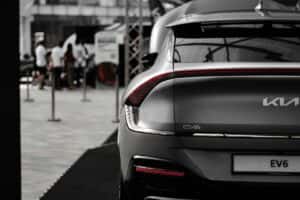
Driving an electric or hybrid Kia means you’re part of the automotive future. Whether you’re piloting a Niro EV, EV6, Sportage Hybrid, or any other electrified Kia model around Huber Heights, you’re enjoying lower fuel costs, reduced emissions, and cutting-edge technology. But as more drivers make the switch to electric power, questions naturally arise: how do you maintain a vehicle without traditional oil changes? What does an EV or hybrid actually need?
The good news is that electric and hybrid vehicles require less maintenance than conventional gas-powered cars. No oil changes, no spark plugs, no transmission fluid in most cases. The better news is that the maintenance they do need is straightforward when handled by technicians who understand these advanced powertrains.
Your electrified Kia still depends on critical systems that need regular attention. From high-voltage battery health monitoring to brake system inspections, cooling system maintenance to software updates, keeping your EV or hybrid performing like new requires specialized knowledge and proper equipment. Understanding what your vehicle needs, and when it needs it, ensures you get maximum value from your investment in electric transportation.
Whether you’re commuting to Dayton, exploring Montgomery County, or making the trip to Columbus, your electric or hybrid Kia deserves maintenance that keeps it operating at peak efficiency and reliability. Let’s explore what that maintenance looks like and why it matters.
What Makes EV and Hybrid Maintenance Different
Electric and hybrid vehicles eliminate many traditional maintenance headaches, but they introduce new considerations that require specific expertise and equipment.
Fewer Moving Parts
A conventional engine contains hundreds of moving parts: pistons, valves, camshafts, timing chains, and more. Electric motors are remarkably simple by comparison, typically containing just one moving part: the rotor. This simplicity means less wear and fewer components to maintain or replace.
Hybrid vehicles combine an electric motor with a gas engine, so they retain some traditional maintenance needs. However, the engine runs less frequently than in conventional vehicles, and regenerative braking means brake components last significantly longer.
High-Voltage Systems
Your EV or hybrid operates two separate electrical systems. The familiar 12-volt system powers accessories like lights, radio, and power windows. The high-voltage system (typically 300-400+ volts) powers the electric motor and charges the main battery pack.
High-voltage systems require specialized training and equipment to service safely. This isn’t something general repair shops can handle without proper certification and tools. Certified Kia technicians receive extensive training on working safely with high-voltage systems.
Software-Dependent Operation
Your electrified Kia is essentially a computer on wheels. Software manages battery charging, power delivery, regenerative braking, climate control efficiency, and countless other functions. Regular software updates improve performance, fix bugs, and sometimes add new features.
Unlike mechanical repairs that remain largely unchanged year to year, EV and hybrid technology evolves rapidly. Technicians need ongoing training to stay current on the latest systems, diagnostic procedures, and service techniques.
Essential Maintenance for Your Electric or Hybrid Kia
While EV and hybrid maintenance requirements are lighter than conventional vehicles, several key services ensure optimal performance and longevity.
Battery Health Monitoring 🔋
Your vehicle’s high-voltage battery pack is its most expensive component and the heart of the electric drive system. Regular monitoring ensures it maintains proper capacity and performance.
Battery health checks use specialized diagnostic equipment to measure state of charge, state of health, cell voltage balance, and internal resistance. These measurements reveal how the battery is aging and whether any cells show weakness that could affect performance or range.
The battery management system constantly monitors temperature, voltage, and current flow. During service visits, technicians download this data to identify any concerning trends or issues. They also inspect the thermal management system that keeps the battery within optimal temperature range.
Catching battery issues early, when they might be covered under warranty, prevents more serious problems. Most Kia EVs and hybrids include extended battery warranties (8-10 years or 100,000 miles), but warranty coverage requires following maintenance schedules.
Cooling System Maintenance
Electric motors run cooler than gas engines, but they still generate heat that needs management. More importantly, the battery pack and power electronics require precise temperature control for optimal performance and longevity.
The cooling system uses coolant to manage battery temperature, keep power electronics from overheating, and in some vehicles, condition the cabin air. This coolant needs periodic inspection and eventual replacement according to manufacturer schedules.
Technicians check coolant level and condition, inspect hoses and connections for leaks, verify pumps and fans operate correctly, and ensure the thermal management system maintains proper battery temperature. In Ohio’s climate, where temperatures range from summer heat to winter cold, the cooling system works year-round to keep the battery in its optimal temperature range.
Brake System Inspection
One of the best features of electric and hybrid vehicles is regenerative braking. When you lift off the accelerator or press the brake pedal lightly, the electric motor reverses function and acts as a generator, converting kinetic energy back into electricity while slowing the vehicle.
This means your traditional friction brakes see significantly less use. Brake pads that might last 30,000-40,000 miles in a conventional vehicle can exceed 80,000-100,000 miles in an EV or hybrid. However, reduced use creates its own challenges.
Brake components that sit largely unused can develop surface rust on rotors. Brake calipers can seize from lack of movement. Brake fluid still absorbs moisture over time, reducing its effectiveness. Regular inspections catch these issues before they compromise safety.
Technicians measure pad thickness, inspect rotors for excessive rust or scoring, check fluid condition, verify calipers move freely, and test the regenerative braking system to ensure it’s recovering energy efficiently.
Tire Care and Rotation 🛞
EVs and hybrids present unique challenges for tires. Many are heavier than comparable gas vehicles due to battery weight. They also deliver instant torque, which can accelerate tire wear if you enjoy spirited acceleration.
Proper tire rotation, maintaining correct inflation pressure, and regular alignment checks become even more important. Many EV drivers also become focused on maximizing range, which makes tire pressure critical since underinflated tires increase rolling resistance and reduce efficiency.
Technicians rotate tires according to manufacturer schedules, check for unusual wear patterns that might indicate alignment issues, measure tread depth, and verify tire pressure sensors work correctly. They also ensure you’re using tires appropriate for your vehicle’s weight and performance characteristics.
12-Volt Battery Service
Yes, your EV or hybrid still has a traditional 12-volt battery that powers accessories and control systems. This battery is critical; if it fails, you can’t start the vehicle even with a fully charged main battery pack.
The 12-volt battery in EVs and hybrids often works harder than in conventional vehicles because it powers numerous computers and systems when the vehicle is off. Regular testing ensures it maintains adequate capacity, and preventive replacement avoids being stranded.
Cabin Air Filter Replacement
Your HVAC system works hard in Ohio’s climate, providing heat in winter and cooling in summer. Unlike gas vehicles that generate waste heat from the engine, EVs must use battery power to heat the cabin, making HVAC efficiency important for maintaining range.
A clogged cabin air filter restricts airflow, forcing the system to work harder and draw more power. Regular replacement ensures efficient climate control without unnecessarily draining the battery. In dusty or high-pollen areas, more frequent replacement makes sense.
Software Updates and System Calibration
One of the most important aspects of EV and hybrid ownership is keeping software current. Your vehicle’s software controls everything from charging algorithms to driver assistance features.
Over-the-Air Updates
Many newer Kia EVs and hybrids can receive some updates wirelessly while parked in your driveway. These might include improvements to infotainment systems, navigation updates, or minor system enhancements. The convenience is similar to smartphone updates.
Dealer-Installed Updates
Some updates require dealership installation, particularly those affecting safety systems, battery management, or other critical functions. These updates often require diagnostic equipment to verify proper installation and system operation afterward.
Technicians also recalibrate systems after certain repairs or if diagnostic codes indicate drift from specifications. Advanced driver assistance systems, for example, need precise calibration to function correctly.
Diagnostic Scanning
During service visits, technicians connect diagnostic equipment that reads stored trouble codes, checks for pending issues, and downloads data about vehicle operation. This preventive scanning often reveals developing problems before they trigger warning lights or affect performance.
The diagnostic data also helps technicians understand how you use the vehicle, which informs maintenance recommendations. For example, frequent DC fast charging or consistent short trips might suggest more frequent battery health monitoring.
Ohio Climate Considerations for EVs and Hybrids
Huber Heights experiences genuine four-season weather, which affects electric and hybrid vehicle performance and maintenance needs in specific ways.
Winter Range and Battery Performance ❄️
Cold weather temporarily reduces EV range and hybrid electric-only operation. Battery chemistry is less efficient at low temperatures, cabin heating draws significant power, and cold air is denser, increasing aerodynamic drag.
Your vehicle’s thermal management system works to warm the battery to optimal temperature, consuming energy in the process. Some EVs include battery heating systems specifically for cold weather. During service, technicians verify these systems work correctly.
While reduced winter range is normal physics, significant range reduction beyond expected seasonal variation might indicate battery issues requiring professional evaluation. Cold weather also reveals marginal 12-volt batteries that seemed adequate during warmer months.
Summer Heat Management
Ohio summers bring heat and humidity, and thermal management becomes critical. The cooling system must work harder to keep the battery pack within optimal temperature range during both driving and charging.
Technicians pay particular attention to cooling system health during summer service appointments. Coolant condition, proper system fill level, and functioning pumps and fans are essential for preventing overheating that could reduce battery life or trigger power limitations.
Parking in shade when possible and using cabin pre-conditioning while still plugged in (rather than using battery power for cooling) helps reduce heat stress on the battery pack.
Charging Port and Connection Maintenance
With more public charging stations appearing around the Dayton area, your charging port gets regular use. Each connection introduces wear on electrical contacts. During service visits, technicians inspect the charging port for damage, clean contacts, verify the locking mechanism works properly, and check moisture seals.
They also examine your home charging equipment if you bring questions or concerns. While they can’t service all aftermarket chargers, they can often identify issues and provide guidance.
What Happens During an EV or Hybrid Service Visit
Service appointments for electrified vehicles follow different procedures than conventional vehicles, focusing on systems unique to electric powertrains.
Comprehensive System Scan
The appointment typically begins with connecting diagnostic equipment that communicates with your vehicle’s computers. This scan reveals any stored trouble codes, checks for software updates, and downloads operational data.
Technicians review this information for anomalies: unusual battery temperature patterns, error codes that haven’t triggered warning lights yet, or systems operating outside normal parameters. Early detection prevents minor issues from becoming major problems.
Visual Inspection
Technicians perform a thorough visual inspection of high-voltage components, checking for any damage to orange high-voltage cables (orange color indicates high-voltage wiring), inspecting connections for corrosion or looseness, and verifying protective covers are secure.
They inspect the underbody, where the battery pack and other components reside, looking for damage from road debris, signs of moisture intrusion, or any issues that could affect safety or performance.
Brake System Evaluation
Despite reduced wear from regenerative braking, the friction brake system still needs regular inspection. Technicians measure pad thickness, inspect rotors, check fluid condition, and verify the regenerative system operates correctly.
They also test the parking brake, which in many EVs is electronic rather than mechanical. Proper operation of all brake systems is essential for safety.
Tire and Suspension Check
Tire condition, tread depth, and pressure are verified. The suspension is inspected for wear, particularly important given the additional weight of battery packs. Alignment is checked if wear patterns suggest issues or if you’ve noticed pulling or uneven tire wear.
Fluid Services
While EVs don’t need engine oil changes, they still use several fluids. Brake fluid, coolant, and windshield washer fluid all need checking and periodic replacement. Hybrid vehicles also require engine oil changes, though typically less frequently than conventional vehicles since the engine runs less.
High-Voltage Battery Assessment
Using specialized equipment, technicians assess battery pack health, checking cell voltage balance, measuring capacity relative to when new, and verifying the battery management system operates correctly. This assessment helps predict battery longevity and identifies any warranty-eligible issues.
Hybrid-Specific Considerations
If you drive a Kia hybrid rather than a pure EV, some additional maintenance items apply because you still have a gasoline engine, though it operates under different conditions than in conventional vehicles.
Engine Maintenance
The gas engine in hybrid vehicles typically runs less than in conventional cars, but it still needs regular oil changes, air filter replacement, and spark plug service at appropriate intervals. However, the intervals might be longer because the engine accumulates fewer operating hours.
Transmission Service
Most Kia hybrids use specialized transmissions that combine electric motors with conventional transmission components. These systems require periodic fluid changes, though often at longer intervals than traditional transmissions.
Emissions System Maintenance
Hybrid vehicles still have catalytic converters and other emissions equipment that need to function correctly. The engine cycling on and off creates unique operating conditions that technicians monitor during service visits.
Local Expert Perspective
“The biggest misconception I hear is that EVs and hybrids don’t need maintenance,” says Jennifer Martinez, certified EV technician at the Old Troy Pike location. “They need less maintenance, which is great, but what they do need requires specific knowledge and equipment. The battery health monitoring we do catches issues early, often while still under warranty, that would become expensive problems if ignored.”
She continues, “I also tell customers to think of software updates like getting a free upgrade to your vehicle. A five-year-old EV with current software often performs better than when new because the updates have improved efficiency, refined charging algorithms, and enhanced features. But you only get those benefits if you keep the software current.”
Protecting Your Electric Investment
Your EV or hybrid represents an investment in advanced technology and cleaner transportation. Proper maintenance protects that investment while ensuring you get maximum benefit from electric power.
The high-voltage battery is typically the most expensive component, potentially costing $5,000-$15,000 or more to replace. Proper thermal management, following charging best practices, and addressing cooling system issues promptly can extend battery life by years. The cost of regular maintenance is minimal compared to premature battery replacement.
Documented service history is crucial for resale value. Prospective buyers want to see that the battery and charging systems were properly maintained. Complete service records from certified technicians can significantly increase resale value and make your vehicle more attractive to buyers.
Many EV and hybrid warranties require adherence to maintenance schedules. Skipping services could give the manufacturer grounds to deny warranty claims on expensive components like the battery pack or power electronics.
Why Certified Service Matters
Not all service facilities can properly maintain EVs and hybrids. The high-voltage systems require specialized training, and working on these systems without proper certification and equipment is dangerous.
Certified Kia technicians receive extensive training on electric and hybrid powertrains. They understand the unique characteristics of your specific model, have access to technical service bulletins, and use diagnostic equipment designed specifically for Kia electrified vehicles.
They also have direct access to Kia engineering support for unusual issues. This expertise and support network means problems get diagnosed correctly the first time, saving you time and money compared to trial-and-error approaches at facilities unfamiliar with EV technology.
Making the Most of Your Electrified Kia
Beyond scheduled maintenance, a few habits help your EV or hybrid perform optimally:
Regular charging rather than consistently running to very low charge helps battery longevity. Most experts recommend keeping your battery between 20-80% for daily use, reserving full charges for when you need maximum range.
Avoid frequent DC fast charging unless necessary for trips. While convenient, fast charging generates more heat and stress than slower Level 2 charging. Use fast charging when needed, but rely on slower overnight charging for daily needs.
Pre-condition the cabin while still plugged in rather than using battery power for heating or cooling. This maximizes available range for driving.
Drive smoothly and anticipate stops to maximize regenerative braking effectiveness. Aggressive driving reduces the efficiency benefits that make electric power so economical.
Ready for Expert EV and Hybrid Care? ⚡
Keep your electric or hybrid Kia performing at its best with maintenance from technicians who understand these advanced powertrains. From battery health monitoring to software updates, proper service ensures you get maximum efficiency, range, and reliability from your investment in electric transportation.
The future of driving is electric, and maintaining these vehicles requires knowledge, specialized equipment, and ongoing training. Whether your vehicle is due for scheduled maintenance or you’ve noticed something that doesn’t seem quite right, certified service ensures your EV or hybrid receives the expert care it deserves.
Schedule your EV or hybrid service appointment today at 8560 Old Troy Pike in Huber Heights, or call to speak with a service advisor about your vehicle’s specific needs. Because the best way to enjoy all the benefits of electric driving is knowing your vehicle is maintained by technicians who specialize in keeping electrified Kias running like new, mile after mile, year after year.

0 comment(s) so far on How Kia of Dayton Keeps Your EV or Hybrid Running Like New