

How Road Salt Affects Your Kia and Why Undercoating Matters
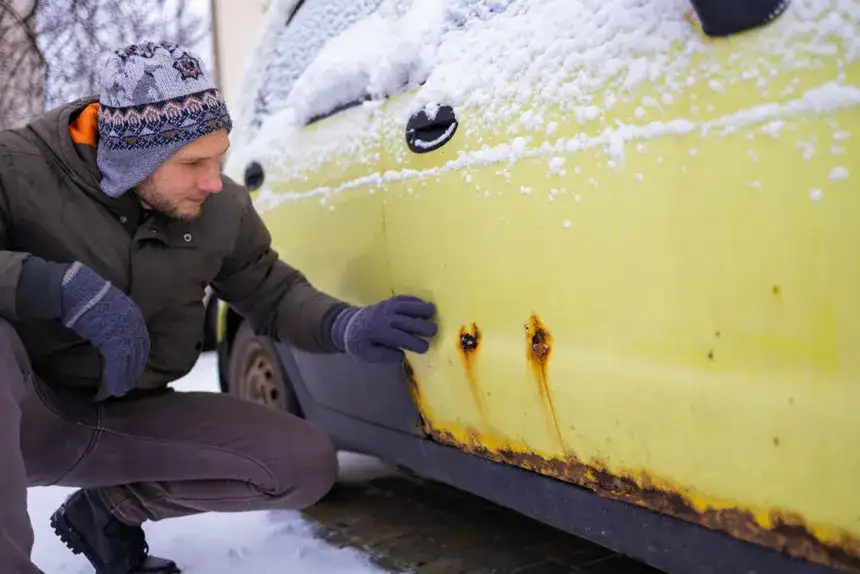
Last February, a 2018 Kia Sorento came in for routine brake service. When we lifted it on the rack, we found extensive corrosion on the brake lines, fuel lines, and suspension components. The owner had driven through five Ohio winters without a single undercarriage wash or rust protection treatment. The corroded brake line replacement, fuel line repairs, and suspension work cost $2,100. The annual rust protection program she’d declined every year? $150.
If you think rust is just a cosmetic issue or something that only affects older vehicles, you’re in for an expensive surprise. Ohio’s aggressive winter road salt program keeps highways safe but wreaks absolute havoc on vehicle undercarriages. Every trip down I-75, Old Troy Pike, or Route 4 during winter coats your Kia’s underside with corrosive salt that begins damaging metal within hours.
Montgomery County and the greater Dayton area see some of the heaviest road salt application in Ohio. Between state highway treatments, city street maintenance, and parking lot chemicals, your Kia encounters corrosive materials every single day from November through March. Modern vehicles use thinner metal and lighter materials than older cars, making them more vulnerable to accelerated corrosion from salt exposure.
This guide explains exactly how road salt damages your vehicle, which components face the highest risk, what undercoating actually does, and how to protect your investment from rust-related failures. You’ll learn the science behind salt corrosion, signs of developing rust problems, and practical steps to minimize damage during Ohio’s harsh winter months.
How Road Salt Actually Damages Your Kia
Road salt works by lowering water’s freezing point, melting ice and preventing new ice formation on roadways. Sodium chloride, the most common road salt, mixed with calcium chloride and magnesium chloride creates a corrosive brine that clings to every surface it contacts. When your Kia drives through treated roads, this brine splashes onto the undercarriage, into wheel wells, and onto body panels.
The salt doesn’t just sit there harmlessly. It actively accelerates oxidation, the chemical process that turns iron and steel into rust. Metal surfaces on your vehicle have protective coatings, but salt brine finds every microscopic scratch, chip, or imperfection. Once it contacts bare metal, the corrosion process begins immediately. The salt acts as an electrolyte, facilitating electron transfer that breaks down metal at the molecular level.
Temperature cycling makes the problem worse. When you park your salt-covered Kia in a heated garage, the warmth melts accumulated snow and ice, creating liquid brine that flows into crevices, joints, and enclosed spaces. This liquid penetrates areas that road spray couldn’t reach. When temperatures drop again, the freeze-thaw cycle creates expansion that cracks protective coatings and accelerates penetration into metal.
Why Modern Vehicles Rust Faster Than Older Ones
Contrary to popular belief, modern vehicles aren’t more rust-resistant than older cars in real-world conditions. Manufacturers use thinner, lighter-gauge steel to improve fuel economy and meet efficiency standards. A 2024 Kia’s body panels and frame components are significantly thinner than comparable parts from a 2004 vehicle. Less metal means faster rust-through once corrosion begins.
Modern vehicles also use more aluminum components to reduce weight. While aluminum doesn’t rust, it corrodes through a different process when exposed to road salt, and galvanic corrosion occurs when aluminum contacts steel in the presence of salt brine. This accelerates deterioration of both materials at connection points.
Factory corrosion protection has improved with better coatings and galvanizing processes, but these protections degrade over time. Rock chips from highway driving, minor scrapes in parking lots, and normal wear create thousands of small breaks in the protective coating. Each break becomes a corrosion initiation point once exposed to road salt.
Which Kia Components Face the Highest Rust Risk
Not all corrosion affects your vehicle equally. Some rust is merely cosmetic and annoying, while other corrosion creates immediate safety hazards and expensive repairs. Understanding which components face the highest risk helps you prioritize inspection and protection.
Brake lines carry pressurized hydraulic fluid and any corrosion perforation causes brake failure. These steel lines run along the undercarriage fully exposed to road spray and salt. We see corroded brake lines on Ohio vehicles as young as five or six years old, especially on vehicles that never receive undercarriage washing. Brake line failure typically happens without warning, you press the pedal and nothing happens because fluid is hemorrhaging from a rust hole.
Fuel lines face similar exposure and similar catastrophic consequences if they fail. A corroded fuel line leaking gasoline creates fire risk and leaves you stranded. These lines often run alongside the frame where salt accumulates and water sits after rain or snow melts.
Suspension and Steering Components
Control arms, sway bar links, tie rod ends, and other suspension components use protective coatings that chip and wear during normal operation. Once bare metal is exposed, road salt attacks aggressively. A corroded control arm can separate while driving, causing loss of control. Seized ball joints or tie rod ends from corrosion make steering difficult or impossible.
A 2019 Kia Sportage owner came to us last spring after noticing a clunking noise from the front suspension. We found both lower control arms so corroded that the ball joint mounting points had deteriorated significantly. The owner regularly drove Route 4 and I-75 during winter but never washed the undercarriage. The control arm replacement cost $890, and the corrosion was severe enough that we recommended replacing several other suspension components within the next year.
His cost breakdown:
- Both lower control arms: $540
- Labor for removal and installation: $280
- Alignment after suspension work: $129
- Additional components needing replacement within 6 months: $650
- Total cost from neglected salt corrosion: $1,599
What prevention would have cost:
- Monthly undercarriage washes (5 months): $75
- Annual rust protection treatment: $150
- Smart total: $225 per winter
- His actual loss from neglecting protection: $1,374
Exhaust systems are particularly vulnerable because they endure both road salt from below and heat stress from exhaust gases. The constant heating and cooling creates expansion and contraction that cracks protective coatings. Salt attacks the exposed metal, and exhaust components often rust through years before they would fail from other causes.
Frame and subframe corrosion represents the most serious rust problem. Your Kia’s structural integrity depends on these components. Severe frame rust can make a vehicle unsafe to drive and in extreme cases creates total loss situations where repair costs exceed vehicle value. We see frame corrosion primarily on older vehicles, but the process begins from the first winter and accumulates over time.
Warning Signs of Developing Rust Problems
Rust damage often remains hidden until it becomes severe. Your Kia might look perfect from the outside while serious corrosion develops underneath. Learning to recognize early warning signs helps you address problems before they become expensive failures.
Visible rust spots on the undercarriage, especially on brake lines, fuel lines, or suspension components, indicate corrosion has penetrated the protective coating. Any rust on brake or fuel lines requires immediate attention. These are safety-critical components that cannot be allowed to corrode.
Rust staining on body panels, particularly behind wheels and along rocker panels, shows that corrosion is occurring even if you can’t see holes yet. These stains appear as reddish-brown streaks running down from panel seams or along the bottom edges of doors. The rust is forming inside the panel and bleeding out through seams.
Performance and Functional Indicators
Squeaking or groaning noises from suspension components can indicate corrosion in ball joints, bushings, or other moving parts. Salt corrosion causes these parts to bind and stick rather than moving smoothly, creating noise and reducing suspension performance.
Sticking brake calipers often result from corrosion on caliper slides and pins. The brakes don’t release fully after you take your foot off the pedal, causing drag, heat, and premature pad wear. You might notice one wheel getting much hotter than others or pulling to one side during braking.
Flaking or bubbling paint, especially on lower body panels, indicates rust forming under the paint. The corrosion creates pressure that pushes paint away from the metal. By the time you see bubbling, significant rust exists beneath the surface.
Perforation, actual holes rusted through metal, represents advanced corrosion. Common perforation points include the bottom edges of doors, rear wheel arches, and the floor pan under rear seats. Once metal rusts through, repair becomes significantly more expensive and sometimes impossible depending on location and extent.
“The rust problems we see aren’t from 20-year-old vehicles anymore,” says Michelle Rodriguez, Master Technician at our Old Troy Pike location. “We’re finding serious corrosion on five and six-year-old vehicles owned by people who never wash the undercarriage in winter. The salt they use now is more aggressive than what we dealt with ten years ago, and it’s eating these modern thin metals faster than owners expect.”
What Undercoating Actually Does and Different Types
Undercoating refers to protective barriers applied to your vehicle’s undercarriage to prevent or slow corrosion. Several different products fall under this umbrella, each working differently and providing different levels of protection.
Traditional oil-based undercoating uses petroleum products to create a protective film over metal surfaces. These products penetrate into seams and crevices, displacing moisture and creating a barrier between metal and corrosive materials. Oil-based products remain semi-liquid, so they self-heal when scratched and continue creeping into new areas over time. Annual reapplication maintains protection as the product gradually wears away.
Rubberized undercoating creates a thick, permanent barrier that seals the undercarriage. This type of coating doesn’t self-heal if damaged, and it can trap moisture against metal if applied over existing rust or moisture. Rubberized coatings work best on new vehicles with clean, rust-free undercarriages. Once applied, they provide years of protection without reapplication.
Wax-Based and Hybrid Products
Wax-based undercoatings combine petroleum products with waxes and other additives. These products provide excellent water displacement and creep into tight spaces while offering better film thickness than pure oil products. They require annual reapplication but provide excellent protection for Ohio conditions.
Electronic rust protection systems use small electrical currents to prevent corrosion through a process called cathodic protection. These systems are controversial, with some studies showing minimal benefit while manufacturers claim significant protection. Most automotive professionals recommend mechanical barriers like undercoating over electronic systems.
Factory undercoating from the manufacturer provides basic protection but often isn’t sufficient for heavy salt exposure in states like Ohio. Many manufacturers apply minimal undercoating to reduce costs, expecting owners to add aftermarket protection in harsh climates. This is why we see rust on relatively new vehicles, the factory protection is adequate for mild climates but insufficient for Dayton winters.
The most effective approach for Ohio vehicles combines annual oil-based undercoating application with regular undercarriage washing. The washing removes accumulated salt while the undercoating provides a protective barrier. Together, these practices dramatically extend the time before serious corrosion develops.
The Case for and Against Different Rust Protection Methods
Deciding which rust protection approach suits your situation depends on your vehicle’s age, condition, how long you plan to keep it, and your budget. Each method has advantages and limitations worth understanding.
Annual oil-based undercoating treatments cost $100-200 per application and require reapplication every fall before winter salt season begins. This method works on vehicles of any age and condition. Even if rust has started, oil-based products penetrate and slow further deterioration. The products don’t trap moisture and can be applied to slightly dirty undercarriages, though clean is better.
The downside is annual cost and the messy nature of oil-based products. Your vehicle will drip for a day or two after application, requiring you to park on cardboard or in an area where dripping won’t cause problems. Some people dislike the petroleum smell, though it dissipates within a few days.
Rubberized undercoating costs $300-600 for professional application and lasts many years without reapplication. This one-time investment provides long-term protection if applied correctly to a clean, rust-free undercarriage. It’s ideal for new vehicles or recently rust-repaired vehicles where you want permanent protection.
Making the Right Choice for Your Situation
The major drawback of rubberized coating is that it must be applied perfectly to a perfectly prepared surface. Any existing rust or moisture gets sealed underneath where it continues corroding invisibly. Damaged areas don’t self-heal and can trap moisture against metal. Most professionals don’t recommend rubberized coating for vehicles over two years old unless the undercarriage is stripped, cleaned, and rust-treated first, which is prohibitively expensive.
For most Dayton-area Kia owners, annual oil-based treatments provide the best value. The products work on vehicles of any age, slow existing corrosion, and provide excellent protection against road salt. The annual cost is manageable and the treatment takes only an hour or two.
A 2021 Kia Telluride owner started annual undercoating treatments when she bought her vehicle new. After three Ohio winters, her undercarriage looks nearly new with no visible rust on any components. Her neighbor bought an identical 2021 Telluride the same month and declined undercoating to save money. His vehicle now shows surface rust on brake lines and suspension components. The difference is dramatic and illustrates how effective preventive treatment can be.
Undercarriage Washing: The Most Important Prevention Step
Before discussing fancy coatings and treatments, understand this: regular undercarriage washing provides more rust prevention than any other single action you can take. Removing salt before it has time to work is more effective than trying to protect metal from salt that remains in place.
Road salt begins corroding metal within hours of contact. The brine created when salt mixes with water on the road contains the highest concentration of corrosive material. As this brine dries, it leaves salt crystals behind that continue attracting moisture from the air and maintaining corrosive conditions. Washing removes both the brine and the crystals, interrupting the corrosion process.
Most car washes offer undercarriage wash options using high-pressure spray nozzles pointed at the vehicle’s underside. This service typically costs $3-5 extra per wash. During winter months when salt is actively applied to roads, washing your undercarriage weekly provides significant protection. After major snow events or when you notice visible salt residue on your vehicle, wash it as soon as temperatures rise enough that water won’t immediately freeze.
Proper Undercarriage Washing Technique
If you wash at home, you need adequate water pressure to remove caked-on salt and dirt. Garden hoses typically don’t provide sufficient pressure. Pressure washers work well, but use caution around sensitive components like brake rotors immediately after driving when they’re hot. Spray thoroughly into wheel wells, behind wheels, and along the entire undercarriage from front to rear.
Pay special attention to areas where components mount to the frame or body, inside the frame rails if accessible, around exhaust hangers and heat shields, and behind plastic shields and panels. Salt accumulates in these hidden areas and causes the most severe corrosion because it remains undisturbed and constantly moist.
The best time to wash is when temperatures rise above freezing during the day but before evening temperatures drop back below freezing. This allows water to drain and dry rather than freezing in place. Never wash when temperatures are below 20 degrees, as water can freeze in brake components, door latches, and other mechanisms.
Consider timing your washes for late afternoon on warmer winter days. This gives your Kia a few hours of temperatures in the 40s or 50s to dry before overnight cold returns. Driving after washing helps water drain and air circulation promotes drying of components that hold water.
Your 30-Day Rust Prevention Action Plan
This week: Inspect your Kia’s undercarriage by looking underneath while parked or using a flashlight to examine visible areas through the wheel wells. Look for visible rust on brake lines, fuel lines, and suspension components. Check behind the front wheels where road spray concentrates the most salt. If you see any rust on brake or fuel lines, schedule an inspection immediately. Even if everything looks fine, familiarize yourself with what’s under there so you can notice changes. Take photos with your phone for future comparison. Locate car washes near your home or work that offer undercarriage wash options and note their prices.
Within two weeks: Wash your Kia’s undercarriage if you haven’t already this winter. If we’ve had snow or salt application in the past week, make this a priority. Most touch-free automatic washes include undercarriage spray in their premium packages. Pay the extra $3-5 for this service. If you prefer self-serve bays, spend extra time with the pressure wand spraying the entire undercarriage, wheel wells, and behind the wheels. Get estimates for rust protection treatments from our service department and at least one other provider to compare options and pricing. Ask specifically about the products they use, whether they clean the undercarriage before application, and what preparation is included in the price.
By month’s end: Schedule professional rust protection treatment if your vehicle doesn’t already have it or if the last application was over a year ago. The best time for application is late fall before heavy salt use begins, but mid-winter application still provides valuable protection for the remainder of the season. Have the technician inspect your undercarriage for existing rust issues while the vehicle is on the lift. Ask for photos of any concerning corrosion so you understand what you’re dealing with. Create a reminder system for monthly undercarriage washes for the rest of winter. Put it in your phone calendar, write it on your kitchen calendar, or set up reminders however works for you. Consistency matters more than perfection.
These three steps take less than four hours total and establish habits that will protect your Kia for years. Most rust-related failures are completely preventable with regular washing and annual treatment. The minimal time and cost investment pays enormous dividends in prevented repairs and maintained vehicle value.
Ohio winters are inevitable, but rust damage doesn’t have to be. The difference between a Kia that lasts 15 years and one that needs thousands in rust repairs by year eight comes down to consistent preventive maintenance during winter months.
The Long-Term Value of Rust Prevention
Rust protection might seem like an optional expense when your Kia is new and looks perfect. Many owners skip it because they don’t see immediate benefit. But rust prevention is exactly that, prevention of problems you can’t see developing until they become expensive repairs or safety hazards.
Consider the long-term economics. A comprehensive rust protection program including annual undercoating and monthly winter washes costs approximately $250-300 per year. Over ten years of ownership, you’ll invest $2,500-3,000 in rust prevention. That might seem significant until you consider the alternative.
Brake line replacement costs $400-800 depending on which lines fail. Fuel line repairs run $300-600. Corroded suspension components requiring replacement cost $500-1,500 depending on parts involved. Exhaust system replacement from rust-through costs $600-1,200. Frame repair or replacement when possible costs thousands and often totals the vehicle. Any one of these repairs costs more than several years of prevention.
Beyond avoiding repair costs, rust prevention maintains your vehicle’s resale value. Buyers inspect for rust and refuse to purchase vehicles with visible corrosion or undercarriage damage. Clean undercarriages with minimal rust command significantly higher resale prices. The $2,500 you invested in rust prevention might add $3,000-5,000 to your vehicle’s value when you sell or trade it.
Common Rust Prevention Myths That Cost Money
Several persistent myths about rust prevention cause owners to make poor decisions or waste money on ineffective treatments. Understanding the truth helps you invest wisely in protection that actually works.
The biggest myth claims that new vehicles don’t need rust protection because “modern cars don’t rust like old ones did.” This myth costs more owners more money than any other misconception. Modern vehicles absolutely rust, often faster than older vehicles due to thinner metals and lighter corrosion protection. Rust prevention should start when the vehicle is new, not after corrosion has already begun.
Another common belief suggests that washing your car in winter causes more problems than it solves because water gets into components and freezes. This myth prevents owners from doing the single most effective rust prevention action. Yes, water can freeze in door locks or latches, but these minor inconveniences are trivial compared to rust damage from accumulated salt. Wash your vehicle, just time it properly so water can drain and dry.
Some owners believe rust protection needs to be applied only once and lasts forever. Oil-based products wear away gradually and need annual reapplication. Even rubberized coatings can be damaged by road debris and need inspection and touch-up. Thinking of rust protection as a one-time investment leads to neglect and eventual corrosion problems.
The myth that “I’ll just fix rust when it appears” dramatically underestimates rust repair costs and ignores that by the time rust becomes visible, significant damage has already occurred underneath. Rust repairs are expensive because they require cutting out corroded metal and welding in new pieces. Prevention costs a fraction of repair.
Schedule Your Rust Protection Service Today
Remember that Sorento owner from the beginning? After the expensive brake and fuel line repairs, she committed to annual rust protection and monthly winter washing. Her repair bill was a harsh teacher, but she learned the lesson. Three years later, her undercarriage shows no new rust progression, and the treated areas are stable. She estimates her prevention program has already saved her from at least one more major repair that would have occurred without intervention.
Rust prevention isn’t glamorous maintenance. It doesn’t make your Kia faster or more fun to drive. But it’s among the most valuable investments you can make in your vehicle’s longevity and safety. Ohio road salt is aggressive and unrelenting, attacking your vehicle’s undercarriage every single winter day. Fighting back with systematic protection prevents thousands in future repairs.
Our Kia-certified technicians at Kia of Dayton understand Ohio rust challenges and provide comprehensive rust protection services tailored to local conditions. We thoroughly clean undercarriages before treatment, use premium oil-based products that penetrate and protect all components, inspect for existing rust issues and document conditions with photos, and provide realistic recommendations about treatment frequency and additional protection needs. Every rust protection service includes a complete undercarriage inspection so you understand your vehicle’s current condition.
Schedule your rust protection treatment today by calling our service department or booking online. You’ll find us at 8560 Old Troy Pike, Huber Heights, OH 45424, ready to protect your Kia from Ohio’s harsh winter road salt.
Proper rust prevention protects your investment, prevents expensive component failures, and maintains your vehicle’s safety and value for years to come. That’s the peace of mind and reliability smart maintenance delivers.

0 comment(s) so far on How Road Salt Affects Your Kia and Why Undercoating Matters