

How to Improve Winter Visibility with Proper Wiper & Defrost Maintenance
Last January, a 2019 Kia Sorento owner was driving southbound on I-75 near the Needmore Road exit during heavy snowfall when her wiper blades suddenly began leaving thick streaks across the windshield. Within seconds, her visibility dropped to nearly zero despite the wipers running on high speed. She couldn’t see lane markings, surrounding traffic, or even the road ahead clearly. Fortunately, she was able to safely navigate to the shoulder and wait for the snow to ease. The problem turned out to be standard wiper blades that had been on the vehicle for 18 months and couldn’t handle the heavy, wet snow Ohio produces. Emergency wiper blade replacement at an auto parts store cost $45. She also discovered her windshield washer reservoir was empty, leaving her no way to clear the accumulated road salt spray. Winter wiper blade installation in November plus washer fluid check? About $50 total, preventing the dangerous situation entirely.
That Sorento owner experienced what hundreds of Dayton-area drivers face every winter: discovering their visibility systems are inadequate only after they’re already in dangerous conditions. Your Kia’s ability to maintain clear visibility through snow, ice, freezing rain, and the salt spray that coats windshields during Ohio winters depends entirely on two systems working properly: wiper blades that can clear precipitation effectively, and a defrost system that can prevent and eliminate fog. When either system fails, you’re driving partially blind in conditions where visibility is already compromised.
Dayton’s location means we experience the full range of winter visibility challenges. Lake-effect snow from Lake Erie brings heavy accumulation. Arctic air masses create temperatures where standard washer fluid freezes. Ice storms coat windshields in layers that standard wiper blades can’t remove. The salt and brine that ODOT applies to I-75, I-70, Route 4, and local roads creates a grimy spray that obscures vision within minutes. These conditions demand proactive maintenance and winter-specific equipment, not the hope that your vehicle’s standard equipment will somehow cope.
This guide explains exactly how to prepare your Kia’s visibility systems for winter, what maintenance maximizes defrost and wiper performance, and how to recognize when components need replacement before they fail during dangerous conditions.
Understanding Your Kia’s Wiper System Components
Your Kia’s windshield wiper system consists of several components that must all function properly for effective clearing, and each component faces specific stresses during winter operation.
Wiper blades are the rubber elements that contact the windshield and sweep water, snow, and debris away. Standard blades use a metal frame with multiple pivot points that distribute pressure along the rubber edge. This design works adequately in moderate conditions but fails in winter because snow and ice pack into the frame pivots, preventing the blade from flexing properly and maintaining contact with the windshield’s curved surface.
The wiper blade rubber compound hardens in cold weather, losing the flexibility needed to conform to windshield contours. At temperatures below 20 degrees, standard blade rubber becomes stiff enough that it can’t maintain consistent contact with the glass, leaving streaks and uncleared sections even when the blade isn’t iced up.
Wiper arms provide the spring tension that holds blades against the windshield. Weak springs or damaged arms reduce contact pressure, allowing blades to chatter or skip across the glass rather than maintaining smooth contact. Winter conditions with ice buildup increase the load on wiper arms beyond what normal rain operation demands.
The wiper motor powers the system, and cold weather increases the electrical load required to operate wipers through snow and ice resistance. A wiper motor struggling to handle winter conditions draws excessive current, potentially damaging the motor or tripping circuit protection that stops the wipers entirely.
Wiper linkage connects the motor to the wiper arms through a system of mechanical links and pivots. These components can bind or seize in extreme cold, particularly if the grease used for lubrication thickens. Attempting to operate wipers when linkage is frozen can strip gears in the motor, requiring expensive repairs.
Windshield washer system includes the fluid reservoir, pump, hoses, and spray nozzles. All of these components are vulnerable to freezing if improper washer fluid is used. Frozen washer fluid can crack the reservoir, rupture hoses, and damage the pump—repairs that cost $200-400 to address completely.
“The most common winter visibility problem I see is customers trying to make do with inadequate equipment,” says Rebecca Thompson, Service Manager at our Old Troy Pike location. “They’ll come in after a close call in a snowstorm, admitting they could barely see but kept driving anyway because they needed to get somewhere. When we inspect their vehicle, we find 14-month-old wiper blades that were already marginal before winter started, washer fluid that’s just water mixed with a splash of blue fluid, and defrost systems they never use correctly because they don’t understand how they work. Proper preparation costs about $75-100 but provides the visibility that literally saves lives during Ohio winters.”
Why Winter Wiper Blades Are Non-Negotiable in Ohio
Standard wiper blades that work adequately from spring through fall fail in winter conditions for specific reasons that no amount of hoping will overcome. Understanding why winter blades are necessary helps justify the modest investment they require.
Winter wiper blades use a beam design with a rubber boot covering the entire blade structure. This prevents snow and ice from accumulating in the frame and freezing the pivot points that allow the blade to flex. The solid rubber construction maintains flexibility even when covered in ice and snow, ensuring the blade continues clearing effectively.
The rubber compound in winter blades remains flexible at temperatures well below zero. While standard blade rubber hardens at 20-30 degrees, winter blade rubber maintains full flexibility down to -40 degrees. This ensures consistent windshield contact and effective clearing regardless of temperature.
Additional weight from the rubber boot construction increases pressure against the windshield, improving clearing ability in heavy, wet snow. The extra mass also reduces wind lift at highway speeds, keeping the blade planted firmly against the glass even during interstate driving through snowstorms.
Aerodynamic shaping of winter blade boots reduces wind resistance and prevents wind from getting underneath the blade and lifting it off the windshield. Standard frame-style blades create significant wind resistance at highway speeds, and strong crosswinds can actually lift them partially off the glass.
Installation should happen in early November before Dayton’s first significant winter weather arrives. Don’t wait until after the first snowstorm to install winter blades, as you might discover you need them when you’re already dealing with poor visibility. Historical weather data shows Dayton’s first measurable snow typically occurs between November 15 and December 5, so early November installation provides a safety margin.
Cost is modest at $35-60 for a pair of quality winter wiper blades from brands like Bosch Icon, Michelin Stealth Ultra, or Rain-X Latitude. These blades last multiple winter seasons if removed and stored during summer, making the annual cost even more reasonable when amortized across their useful life.
Remove winter blades in late March or early April when temperatures consistently stay above 45 degrees and winter weather risk has passed. Store them indoors in their original packaging to prevent UV damage and ozone degradation. This practice extends blade life to 2-3 winter seasons rather than requiring annual replacement.
A Sportage owner from Riverside had been skeptical about winter wiper blades, assuming they were marketing hype rather than genuine improvements. After we convinced him to try them for one season, he became an immediate convert. During a January snowstorm on I-70 near Vandalia, his winter blades continued clearing effectively while he watched vehicles around him pulling over because their standard blades had iced up. He’s now installed winter blades on both his Sportage and his wife’s Telluride every November for the past four years.
Windshield Washer Fluid: Why Quality and Type Matter
Windshield washer fluid seems simple—just a liquid that cleans glass—but the specific type you use during winter directly affects your safety and can prevent expensive damage to the washer system.
Standard washer fluid rated to 32 degrees or “summer blend” freezes solid at temperatures Dayton experiences regularly from December through February. Once frozen, the fluid expands and can crack the reservoir, split hoses, and damage the pump. Even if it doesn’t cause immediate damage, you have no windshield cleaning capability precisely when you need it most.
Premium winter washer fluid rated to -20 degrees or lower remains liquid through the coldest weather Ohio produces. The freeze point rating isn’t just about preventing damage; lower freeze point fluids also resist forming slush or ice crystals that can clog spray nozzles or streak across the windshield when applied.
The alcohol content in washer fluid provides the freeze protection, with methanol or ethanol lowering the freezing point similarly to how antifreeze protects engine coolant. Higher-quality winter fluids also include detergents that cut through the road salt film, de-icers that help melt frost and ice on contact, and water-repellent compounds that improve visibility by causing water to bead and run off glass.
Avoid diluting washer fluid with water in an attempt to save money. This practice raises the freeze point dramatically, potentially creating a mixture that freezes in the reservoir during cold nights. A 50-50 mix of -20 degree fluid with water might freeze at 0-5 degrees, leaving you without cleaning capability and risking system damage.
Fill the washer reservoir completely in November and check the level weekly throughout winter. Winter driving uses substantially more washer fluid than summer driving because salt spray coats windshields constantly, requiring frequent cleaning. Running out of washer fluid during winter driving is a genuine safety hazard.
Use only automotive windshield washer fluid, never household glass cleaners, dish soap, or other substitutes. These products can damage washer system components, leave residue that attracts dirt, or create dangerous situations like foaming that obscures visibility rather than improving it.
Cost for premium winter washer fluid is $4-8 per gallon, and most Kia SUVs have reservoir capacities of 0.9-1.3 gallons. Keeping the reservoir full throughout winter costs approximately $20-30 for the entire season, a trivial expense for the visibility protection it provides.
A K5 owner from Fairborn had been using bargain washer fluid rated to only 32 degrees because it was $2 per gallon versus $6 for premium winter fluid. After a week of subzero temperatures in January, his washer system stopped working completely. When he brought the vehicle in, we found the reservoir had cracked from frozen fluid expanding, and the pump had been damaged from trying to pump ice crystals. The repair cost $285. The $4 per gallon he “saved” on cheap washer fluid cost him hundreds in repairs plus two weeks without windshield cleaning capability during the messiest part of winter.
Defrost System Function and Optimization
Your Kia’s defrost system manages both temperature and humidity to clear windshield fog and frost, and understanding how it works helps you use it effectively.
The defrost system directs maximum heated airflow to the windshield vents, quickly warming the glass surface above the dew point temperature where fog condenses. Warm glass prevents interior moisture from condensing while also melting exterior frost and ice. The system automatically increases fan speed to maximum and directs all airflow to windshield vents, overriding your normal climate control settings.
The air conditioning compressor activates when you press the defrost button, even though you’re trying to warm the windshield. This isn’t a malfunction; it’s intentional. The AC system removes moisture from the air before it’s heated and directed to the windshield. Dry, warm air is far more effective at clearing fog than humid warm air, which would just condense on the cold windshield creating more fog.
Outside air mode engages automatically during defrost because bringing in fresh outside air (which is typically drier than cabin air in winter) reduces humidity faster than recirculating the same cabin air repeatedly. While recirculation mode warms the cabin faster, it traps moisture from passengers’ breath and creates fogging conditions.
Rear window defrost uses electrical heating elements embedded in the glass rather than heated air. These elements warm the glass directly, melting frost and ice from the outside and preventing interior fog. The rear defrost typically operates for 10-15 minutes per activation to prevent excessive battery drain.
For maximum defrost effectiveness, use these techniques:
Start the engine and immediately activate defrost mode before attempting to drive. Allow 2-3 minutes for the system to begin warming the windshield before you need to drive. This brief wait is far safer than attempting to drive with limited visibility while the system warms up.
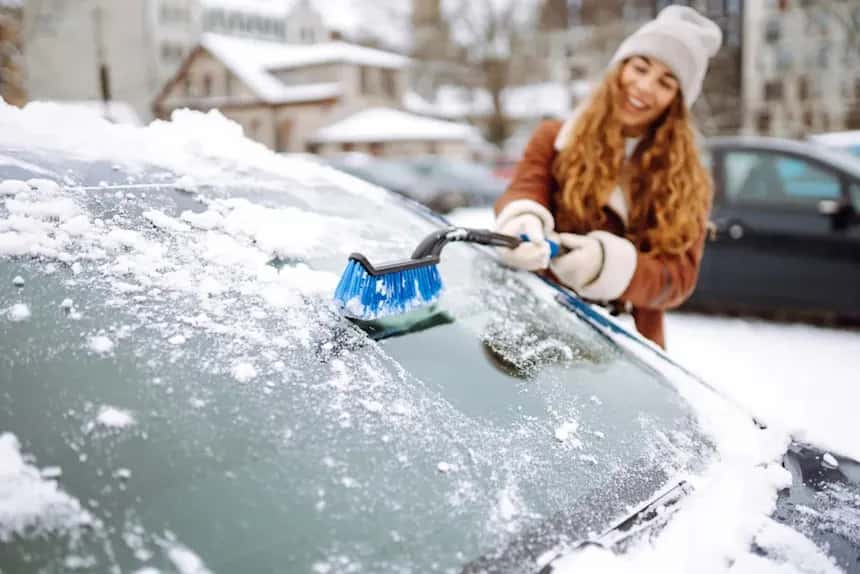
Clear snow and ice from the exterior windshield manually before relying on defrost to finish the job. Use an ice scraper and snow brush to remove heavy accumulation, allowing defrost to handle the thin frost layer remaining. Expecting defrost alone to melt thick ice takes 10-15 minutes and wastes fuel.
Don’t use recirculation mode during winter driving even though it warms the cabin faster. The moisture from passengers’ breathing accumulates and will fog the windshield, requiring constant defrost use. Fresh air mode maintains lower cabin humidity preventing fog formation.
Clean the interior windshield surface monthly during winter using glass cleaner and microfiber cloths. Invisible film from dashboard off-gassing and other sources provides nucleation sites where fog condenses more readily. Clean glass resists fogging better than glass with residue.
Common Winter Visibility Problems and Solutions
Several specific problems affect winter visibility in Kia vehicles. Understanding these issues and their solutions prevents dangerous situations.
Windshield fogging that returns immediately after clearing indicates excessive cabin humidity, often from wet floor mats or carpets holding moisture from snow tracked in on boots. Remove floor mats, dry them completely, and use towels to absorb water from carpet. Consider using a portable dehumidifier bag in the cabin to absorb excess moisture.
Wiper blade chattering or skipping across the windshield shows the rubber edge has hardened from cold or developed damage preventing smooth contact. Replace blades immediately, as chattering blades don’t clear effectively and the vibration can scratch the windshield creating permanent damage.
Washer fluid not spraying or dribbling weakly from nozzles suggests frozen fluid, clogged nozzles, or a failing pump. Move the vehicle to a warm garage if possible to thaw frozen components, then refill with proper winter fluid. If nozzles are clogged with ice, use a pin to clear them, but be gentle to avoid damaging the nozzle orifices.
Windshield streaking that defrost and washer fluid can’t clear indicates residue buildup from road salt, wax, or other contaminants. Clean the exterior windshield thoroughly using automotive glass cleaner and clay bar treatment if necessary. Stubborn streaking may require professional cleaning with specialized products.
Wipers freezing to the windshield overnight happens when moisture between the blade and glass freezes. Never operate wipers while frozen to the glass, as this can tear the rubber blade or damage the wiper motor. Warm the vehicle with defrost mode, pour lukewarm (not hot) water over the blades to melt ice, or gently lift blades away from the windshield before they can freeze.
Weak airflow from defrost vents despite maximum fan speed suggests a clogged cabin air filter restricting airflow through the HVAC system. Replace the cabin air filter (typically located behind the glove box) according to the maintenance schedule, typically every 15,000 miles or annually.
Defrost that doesn’t warm up adequately indicates low engine coolant level, a failing thermostat, or a clogged heater core. Check coolant level when the engine is cold; if low, have the cooling system inspected for leaks. If coolant level is adequate but heating is weak, schedule professional diagnosis.
A Telluride owner from Vandalia experienced persistent windshield fogging despite running defrost constantly. When we inspected the vehicle, we found her rear footwell carpets were completely saturated from melted snow that had been accumulating for weeks. Passengers had tracked snow in on boots, and it melted into the carpet where it held moisture that evaporated into the cabin air. We extracted the water from the carpet, dried the floor completely, and recommended all-weather floor mats for winter. The fogging problem disappeared immediately because cabin humidity dropped to normal levels.
Preventing Ice Buildup on Wipers and Windshield
Several strategies prevent ice accumulation that compromises wiper effectiveness and extends the time needed to clear windshields before driving.
Lift wiper blades away from the windshield when parking overnight during winter weather. This prevents them from freezing to the glass and allows snow to fall beneath the blades rather than packing around them. Frozen blades can tear when operated or strain the wiper motor excessively.
Apply water-repellent treatment like Rain-X to the windshield in late October before winter begins. These products cause water, snow, and ice to bead up and flow off the glass more readily, reducing accumulation and making mechanical clearing easier. Treatments last 6-8 weeks and should be reapplied monthly throughout winter.
Use windshield covers for overnight parking when heavy snow or ice storms are forecast. These fabric or plastic covers prevent accumulation on the glass, eliminating scraping and defrost wait time in the morning. Covers cost $15-30 and pay for themselves in time saved and reduced scraper wear.
Park in garages or covered areas whenever possible. Even a carport provides significant protection by reducing direct snow and ice accumulation and moderating temperature to reduce frost formation. Vehicles garaged overnight rarely develop the heavy frost or ice that outdoor-parked vehicles experience.
Pre-treat windshields before freezing rain by applying washer fluid or alcohol-based de-icer that prevents ice from bonding to glass. This makes clearing far easier if ice does form, as it will scrape away cleanly rather than bonding tenaciously to the glass.
Never use hot water to melt ice on windshields. The thermal shock can crack the glass, particularly if it already has small chips or cracks. Use lukewarm water if you must use water, or better yet, use proper de-icer products and mechanical scraping.
Avoid using wipers to clear heavy snow or ice, as this strains the motor and tears blade rubber. Use a brush and scraper to remove accumulation mechanically before activating wipers. Wipers are designed to clear precipitation and thin frost, not to bulldoze inches of snow.
Maintenance Schedule for Optimal Winter Visibility
Establishing a regular maintenance schedule for visibility systems ensures they’re always ready for Ohio winter conditions.
October preparation (before winter begins):
- Install winter wiper blades on front and rear (if equipped)
- Fill washer reservoir with premium winter fluid rated to -20°F or lower
- Apply water-repellent treatment to all exterior glass
- Clean interior windshield and windows thoroughly
- Test defrost system operation and airflow
- Replace cabin air filter if due or overdue
- Inspect wiper arms for proper spring tension
- Check that washer spray nozzles aim correctly at windshield
Monthly during winter (November through March):
- Check washer fluid level and refill as needed
- Inspect wiper blade condition for damage or wear
- Clean exterior windshield to remove salt film and contamination
- Clean interior windshield to remove residue buildup
- Reapply water-repellent treatment to exterior glass
- Verify defrost system operates effectively
- Check floor mats and carpet for moisture accumulation
After winter (April):
- Remove winter wiper blades, clean, and store for next season
- Install standard wiper blades for spring through fall use
- Flush washer system with fresh all-season fluid
- Deep clean all glass interior and exterior
- Inspect wiper system for any damage that occurred during winter
As needed:
- Replace wiper blades showing visible damage, tearing, or ineffective clearing
- Address any defrost system problems immediately
- Refill washer fluid whenever level drops below half full
- Clean windshield when visibility is compromised
A Soul owner from Huber Heights had been following this maintenance schedule religiously for three winters. When a coworker commented on how quickly his windshield cleared compared to other vehicles in the parking lot, he explained his routine. The coworker had been struggling with poor visibility all winter, spending 10-15 minutes each morning waiting for defrost to clear frost and repeatedly needing to pull over during drives to clean salt spray buildup. After adopting the same maintenance schedule, the coworker’s winter visibility problems disappeared, and he actually spent less time on windshield maintenance overall because proactive care prevented the severe problems that required extensive time to correct.
Warning Signs Your Visibility Systems Need Service
Watch for these indicators that wiper or defrost systems need professional attention beyond routine maintenance.
Wiper motor making grinding, buzzing, or straining noises indicates internal damage or binding linkage requiring diagnosis and likely replacement. Wiper motors typically cost $150-300 to replace, but failure to address motor problems can cause electrical system damage costing substantially more.
Wiper speed inconsistency where blades move unevenly or pause during operation shows motor or linkage problems requiring attention. This often progresses to complete failure if not addressed.
Washer pump running but no fluid spraying indicates frozen lines, a clogged filter in the reservoir, or split hoses requiring repair. Never continue operating the pump without fluid flow, as dry-running quickly damages the pump.
Defrost airflow substantially weaker than it should be despite new cabin air filter suggests ductwork problems, blend door issues, or blower motor problems requiring professional diagnosis.
Windshield that fogs persistently despite running defrost continuously indicates excessive cabin humidity from water intrusion, or AC system problems preventing proper dehumidification. These issues won’t resolve themselves and require diagnosis to identify the root cause.
Unusual odors from defrost vents including musty, sweet, or chemical smells suggest mold growth in the HVAC system, coolant leaks from the heater core, or other problems requiring immediate attention.
Your 30-Day Winter Visibility Preparation Plan
This week: Purchase and install winter wiper blades on all positions (front and rear if equipped with rear wiper). Don’t wait until snow is in the forecast; install them in early November before winter conditions arrive. Fill your windshield washer reservoir with premium winter-rated fluid (check that it’s rated to at least -20°F). Verify the reservoir is completely full, not just partially filled. Clean both interior and exterior surfaces of all windows thoroughly using automotive glass cleaner and microfiber cloths. Apply water-repellent treatment to exterior windshield and all exterior glass.
Within two weeks: Test your defrost system thoroughly by running it for 10 minutes with the engine at operating temperature. Verify that air temperature is hot, airflow is strong at all windshield vents, and the AC compressor engages (you should hear a click and slight change in engine sound). If any issues exist, schedule service to diagnose and repair before you need defrost in actual winter conditions. Replace your cabin air filter if it’s been more than 15,000 miles or 12 months since last replacement. Check your vehicle’s service records to verify replacement history. Inspect your wiper arms by gently pulling them away from the windshield to verify spring tension is strong enough to hold blades firmly against the glass.
By month’s end: Assemble a winter emergency kit for your vehicle including an ice scraper with brush, spare windshield washer fluid, de-icer spray, snow brush, microfiber cloths for cleaning interior glass, and a small squeegee for removing interior fog manually if needed. Store this kit in your vehicle where it’s accessible year-round. Practice using your defrost system so you understand how it operates and can activate it quickly when needed. Create phone reminders for monthly washer fluid checks and glass cleaning throughout winter so these maintenance tasks don’t get forgotten. If you park outside overnight regularly, purchase windshield covers to reduce ice and frost accumulation during the heaviest winter months.
These steps take less than three hours initially and require about 30 minutes monthly ongoing, ensuring your Kia maintains maximum visibility throughout Ohio’s challenging winter driving season.
Schedule Your Winter Visibility Service Today
Winter visibility isn’t just about comfort or convenience. It’s about fundamental safety for you, your passengers, and other drivers sharing Ohio roads during the most challenging conditions of the year. The difference between seeing clearly and driving partially blind can be the difference between arriving safely and being involved in an accident.
Our certified Kia technicians can perform comprehensive visibility system service including winter wiper blade installation, washer system inspection and filling, defrost system performance verification, and cabin air filter replacement. We stock premium winter wiper blades sized correctly for every Kia model and quality winter washer fluid rated to -20°F and below. Our service includes checking that washer spray nozzles aim correctly, verifying that defrost systems operate at full capacity, and identifying any issues requiring attention before they cause problems during actual winter conditions.
Schedule your winter visibility preparation service today by calling our service department or booking online. We’re located at 8560 Old Troy Pike in Huber Heights, easily accessible from I-70, I-75, Route 4, and throughout the Dayton metro area. Don’t wait until poor visibility in a snowstorm creates a dangerous situation to discover your wiper and defrost systems aren’t ready for winter. Prepare now and drive with confidence knowing your visibility systems will perform when you need them most.
Proper wiper and defrost maintenance ensures clear visibility, prevents dangerous situations, and provides the confidence to navigate Ohio winters safely. That’s the protection your Kia was designed to deliver. ❄️👁️

0 comment(s) so far on How to Improve Winter Visibility with Proper Wiper & Defrost Maintenance