

How to Properly Maintain the Dual-Clutch Transmission (DCT) in Your Kia Seltos or Forte
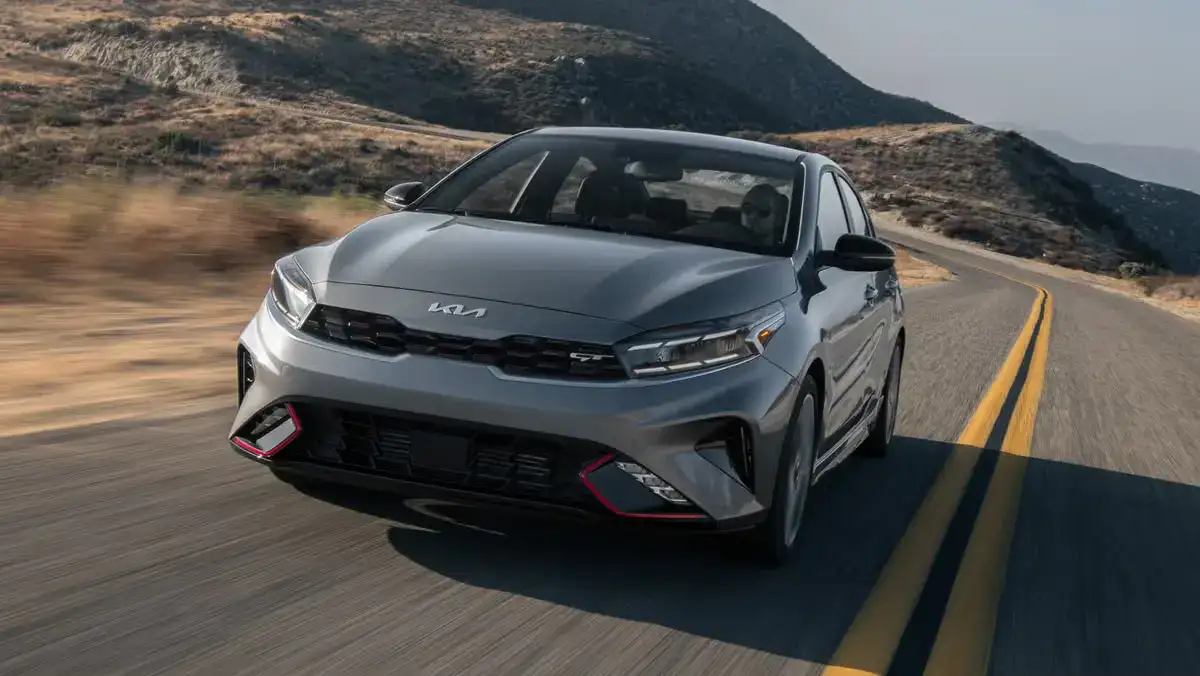
Two months ago, a 2021 Kia Forte with 38,000 miles came in shuddering badly on acceleration and slipping between gears on the merge ramp from Old Troy Pike onto I-75. The owner had never had the DCT fluid inspected and had been dismissing the shudder as a quirk of the transmission for nearly a year. By the time it reached our service bay, the clutch pack had developed uneven wear that required a full DCT service and partial internal inspection. The repair totaled $1,100. A DCT fluid exchange at the correct interval would have cost $180.
If you drive a Kia Seltos or Forte in the Dayton area, your dual-clutch transmission is one of the most sophisticated and misunderstood components in your vehicle. Most drivers treat it like a conventional automatic and assume it will manage itself indefinitely. It will not. The DCT is a precision system that responds directly to how it is maintained and how it is driven, and in Dayton’s stop-and-go traffic along OH-4 and the daily grind through Huber Heights, it faces conditions that accelerate wear faster than highway driving ever would.
The good news is that DCT maintenance is straightforward when you understand what the transmission actually needs and why. This post walks through how the system works, what Dayton’s driving conditions do to it specifically, and the maintenance habits that keep your Seltos or Forte shifting cleanly for the long term.
How the Dual-Clutch Transmission Actually Works
A dual-clutch transmission combines the fuel efficiency of a manual gearbox with the convenience of an automatic, but it achieves that through a fundamentally different mechanism than either. Instead of a single torque converter like a traditional automatic, the DCT uses two separate clutch packs, one handling odd gears and one handling even gears. While you are in third gear, the transmission is already pre-selecting fourth, so the shift happens almost instantaneously when the moment comes.
That pre-selection system is what makes the DCT feel so responsive at highway speeds and during smooth acceleration. It is also what makes it sensitive to low-speed, high-slip conditions. When you are creeping through construction traffic on I-70 near downtown Dayton or inching forward in the school pickup line off Brandt Pike, the clutch packs are partially engaged for extended periods, generating heat and wear in a way that highway driving simply does not.
Wet DCT vs. Dry DCT: Which Does Your Kia Have?
The Kia Seltos and Forte use a wet dual-clutch transmission, meaning the clutch packs are bathed in transmission fluid that both lubricates and cools them during operation. This is an important distinction because wet DCTs are more tolerant of low-speed driving than dry DCTs, but they are still dependent on clean, properly conditioned fluid to manage heat and friction effectively. Degraded fluid loses its ability to protect the clutch surfaces, and that breakdown happens faster in vehicles that see a lot of urban stop-and-go use.
What Dayton’s Driving Conditions Do to Your DCT 🔧
Dayton is not a highway commuter city for most residents. The typical daily drive involves surface streets through Huber Heights, stop-and-go traffic along Old Troy Pike, and frequent short trips that never fully bring the transmission up to operating temperature before the next cold start. That pattern is harder on a DCT than almost any other driving profile.
Several specific local factors accelerate DCT wear in this region:
- Ohio winters bring road salt and temperature cycling that affects transmission fluid viscosity and seal integrity, particularly during the freeze-thaw cycles common from November through March in Montgomery County
- Summer heat in the Dayton basin pushes underhood temperatures higher during slow traffic on OH-4 and US-35, putting additional thermal load on transmission fluid that may already be due for a change
- The mix of urban stop-and-go and occasional highway runs on I-75 creates frequent low-speed clutch engagement followed by sustained high-speed operation, which is a demanding cycle for clutch pack wear
Marcus D. from Huber Heights had been driving his 2022 Kia Seltos primarily on short errands around Huber Heights and occasional runs to the Dayton Mall. At 42,000 miles he noticed a hesitation and mild shudder when pulling away from stoplights on Old Troy Pike. A DCT fluid exchange and clutch adaptation reset at Kia of Dayton resolved the issue for $195. His technician noted that the fluid had darkened significantly for its mileage, consistent with the high proportion of low-speed urban driving in his routine.
Warning Signs Your Kia DCT Needs Professional Attention
Catching DCT issues early is critical because this transmission does not give you a long warning window between early symptoms and expensive damage. These are the signs that should prompt an immediate service visit.
Shuddering or vibration on light acceleration. This is the most common DCT symptom and the one most often dismissed as normal behavior. A mild shudder when pulling away from a stop on Brandt Pike or accelerating gently from a light on Old Troy Pike is not a quirk. It is the clutch pack telling you the fluid or the adaptation calibration needs attention.
Hesitation or delay before the transmission engages. If there is a noticeable pause between pressing the accelerator and feeling the vehicle actually move, the clutch engagement is not happening as cleanly as it should. This symptom is particularly common in cold Ohio mornings before the transmission reaches operating temperature.
Jerky or abrupt low-speed gear changes. Smooth, nearly imperceptible shifts are the hallmark of a healthy DCT. If you are feeling gear changes more than you should be at low speeds around Huber Heights, clutch wear or fluid degradation is a likely contributor.
Unusual noises in neutral or at idle. A rattling or light knocking sound when the vehicle is stationary with the engine running can indicate clutch pack or input shaft bearing wear that needs professional assessment before it progresses.
Slipping sensation at highway speeds. If the engine revs climb without a corresponding increase in vehicle speed on I-75 or I-70, the clutch packs are not transferring power efficiently and the transmission needs immediate inspection.
Check engine or transmission warning light. Any warning light related to the transmission should be treated as an urgent prompt for a diagnostic scan, not a monitor-and-see situation. DCT fault codes often appear before the driver has noticed any drivability symptoms.
Fluid that is dark, burnt-smelling, or past its service interval. Healthy DCT fluid is light in color and clear. Dark or burnt fluid has lost its lubricating and cooling properties and is actively contributing to clutch wear with every mile driven.
The Right Maintenance Schedule for Your Kia DCT
Kia’s official DCT fluid service interval is every 40,000 miles under normal conditions, but the definition of normal conditions does not describe the average Dayton-area driving profile. For drivers whose routine involves significant stop-and-go use, frequent short trips, or towing, a 30,000-mile inspection interval is more appropriate and widely recommended by Kia technicians who work on these transmissions regularly.
Here is what a complete DCT maintenance service at Kia of Dayton covers and what to expect on cost:
- DCT fluid exchange (standard service): $150 to $200
- Clutch adaptation reset and calibration: $80 to $120, often included with fluid service
- Full DCT inspection with diagnostic scan: $100 to $150
- Clutch pack replacement if wear is advanced: $900 to $1,400 depending on configuration
The gap between routine fluid service and clutch pack replacement is significant. Staying current on the fluid exchange is the single most effective way to stay on the left side of that cost gap.
The Clutch Adaptation Reset: What It Is and Why It Matters
One maintenance item specific to DCTs that most owners have never heard of is the clutch adaptation reset. Over time, the transmission control module learns the wear characteristics of the clutch packs and adjusts engagement timing to compensate. After a fluid exchange, the clutch surfaces and fluid properties change, and the old adaptation values become inaccurate. A reset allows the TCM to relearn correct engagement timing with the fresh fluid, which is why many of the shudder and hesitation complaints that persist after a fluid change resolve completely once the adaptation is reset.
This is a procedure that requires dealer-level diagnostic equipment. It is not something an independent shop with a generic scan tool can perform accurately on a Kia DCT, which is one of the practical reasons for keeping this service at a Kia-certified facility.
What Your Kia Technician Wants You to Know 🚗
“The number one mistake I see with DCT owners is waiting until something feels wrong before coming in. By that point the fluid is usually well past where it should be and the clutch surfaces have been running in degraded conditions for longer than we would want. In Dayton especially, with the amount of stop-and-go driving most people do, I always recommend inspecting the fluid at 25,000 to 30,000 miles rather than waiting for the full interval,” says Brandon Kessler, Transmission Specialist at the Old Troy Pike location. “The clutch adaptation reset after a fluid change is just as important as the fluid itself. Skipping it is like putting new oil in the engine and leaving the old filter. You did half the job.”
Your 30-Day DCT Maintenance Action Plan
This week: Pull up your vehicle’s maintenance history and confirm when your DCT fluid was last inspected or exchanged. If you purchased your Seltos or Forte used and do not have full service records, treat the fluid as unknown and schedule an inspection regardless of mileage. An unknown fluid history on a DCT is a risk not worth carrying when an inspection costs a fraction of what clutch damage does.
Within two weeks: Pay close attention to how your transmission behaves during your regular Huber Heights commute, specifically during light acceleration from stops on Old Troy Pike and slow-moving traffic situations. Note any shudder, hesitation, or unusual gear change feel and document it to share with your service advisor. Early symptoms are easy to describe when you are paying attention to them.
Here is a quick pre-appointment checklist to bring to your service visit:
- Mileage at last DCT fluid service or date of last transmission inspection
- Description of any shudder, hesitation, or shifting irregularities you have noticed
- Proportion of your driving that is urban stop-and-go versus highway
By month’s end: Schedule a DCT inspection and fluid assessment at Kia of Dayton. If you are within 5,000 miles of your service interval or have noticed any early symptoms, completing the fluid exchange and adaptation reset now rather than later keeps your clutch packs in the best possible condition heading into another Ohio winter of cold starts and stop-and-go commuting.
Schedule Your DCT Service at Kia of Dayton Today
The Forte owner who came in with the shuddering transmission and $1,100 repair bill has been on a consistent DCT maintenance schedule ever since. His transmission shifts cleanly and he has had no further issues. That outcome is available to every Seltos and Forte owner in the Dayton area, and it starts with understanding what this transmission needs and staying ahead of it.
The certified Kia technicians at Kia of Dayton have the manufacturer-level diagnostic tools and DCT-specific training to service your transmission correctly, including the clutch adaptation reset that makes the difference between a fluid change that solves the problem and one that only partially addresses it. Schedule your DCT service online or stop by the dealership at 8560 Old Troy Pike, Huber Heights, OH 45424 today, and keep your Seltos or Forte shifting the way it was built to through every mile of Dayton driving ahead.

0 comment(s) so far on How to Properly Maintain the Dual-Clutch Transmission (DCT) in Your Kia Seltos or Forte