


Squealing Brakes vs. Grinding Brakes: When to Replace Your Kia’s Brake Pads in Dayton
Key Takeaways
- A squeal usually means the wear indicator is doing its job: Most brake pads include a small metal tab designed to produce noise before the pad is actually worn out.
- A grind almost always means metal is contacting metal: This is a more advanced stage of wear that can indicate the pad material is gone entirely.
- The two sounds call for different levels of urgency: A squeal means schedule service soon; a grind means get it checked as soon as possible.
- Ignoring either sound risks turning a brake pad replacement into a rotor replacement: Continued driving on worn pads accelerates damage to more expensive components.
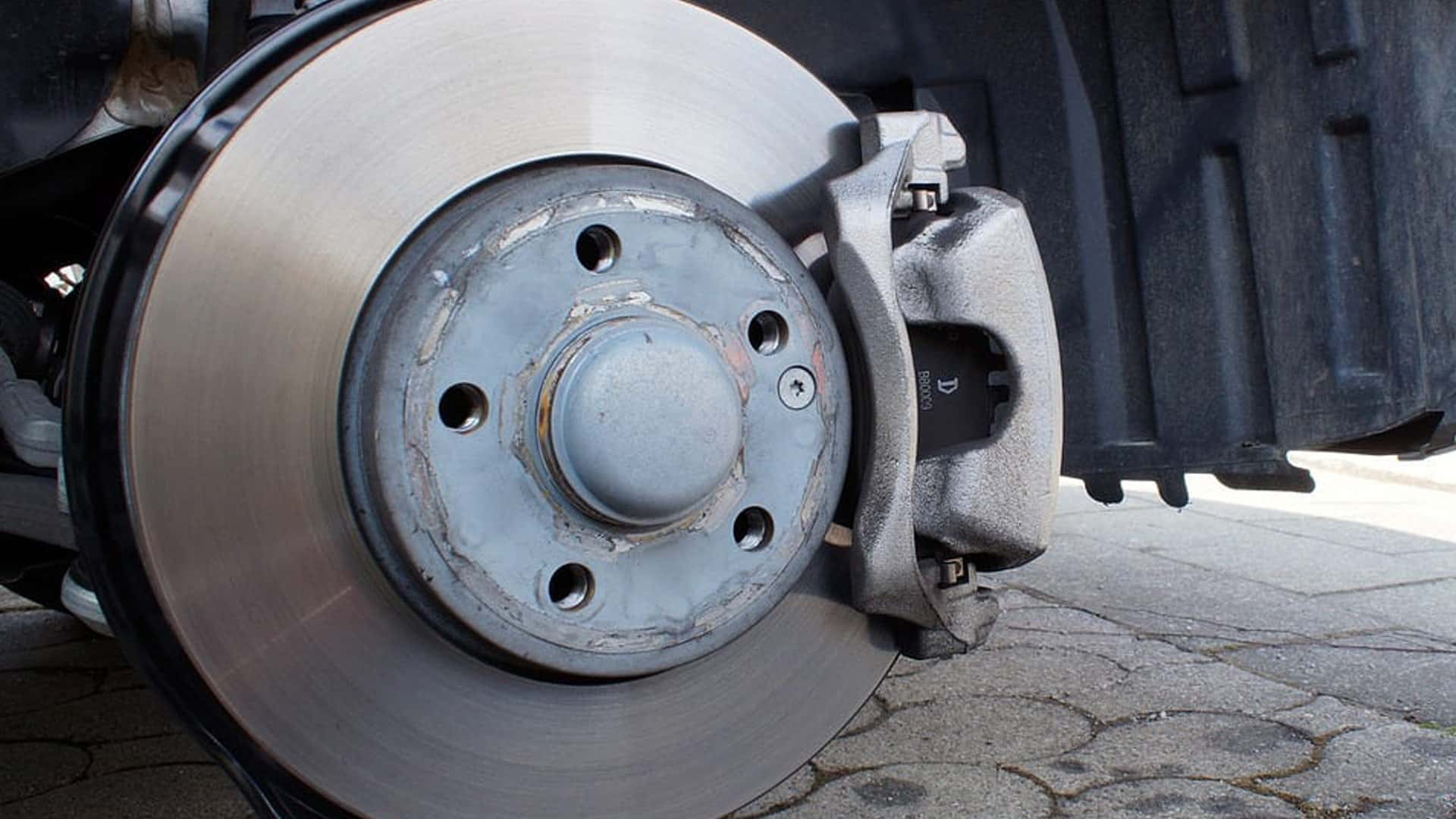
Dayton drivers navigating daily stop-and-go traffic through corridors like Old Troy Pike and the surrounding Huber Heights area put real, repeated demand on their Kia’s brakes, and knowing the difference between a squeal and a grind can be the difference between a routine pad replacement and a more expensive rotor repair. Squealing brakes are usually an early warning built into the pad itself, while grinding brakes typically mean that warning has gone unheeded long enough for metal to start contacting metal. Understanding what each sound actually means helps you know how urgently to act.
Why Brakes Squeal: The Wear Indicator Explained
Most modern brake pads, including those used on Kia models, are manufactured with a small, spring-like metal tab built into the pad assembly called a wear indicator. This tab is positioned so that as the friction material wears down over time, the tab eventually makes contact with the rotor before the pad itself is fully worn out. When that happens, it produces a distinctive high-pitched squeal, by design, specifically so the sound is unpleasant enough to get a driver’s attention.
This is an intentional early warning system, not a sign of a component failing unexpectedly. The squeal tells you the pad has reached the point where replacement should be scheduled soon, but it doesn’t necessarily mean the vehicle is unsafe to drive in the immediate term. That said, waiting too long after the squeal begins allows the pad to continue wearing toward the point where the wear indicator stops being a warning and becomes an actual mechanical problem.
Why Brakes Grind: A Sign Metal Is Touching Metal
Grinding is a different and more serious sound entirely. In most cases, a grinding noise means the brake pad’s friction material has worn away completely, and the metal backing plate of the pad is now making direct contact with the metal rotor surface every time the brakes are applied. This produces the harsh, grinding sensation and sound that’s noticeably different from the higher-pitched squeal of a wear indicator.
Metal-on-metal contact at the brakes causes rapid, accelerating damage. Every stop while grinding is present gouges the rotor surface further, and what could have been a straightforward pad replacement can quickly turn into a situation requiring rotor resurfacing or full rotor replacement, since a rotor damaged by extended metal contact often can’t simply have new pads installed against it without addressing the damaged surface first.
How to Tell the Difference If You’re Not Sure
For drivers uncertain about what they’re hearing, a few distinctions can help:
- Pitch: A wear indicator squeal tends to be higher-pitched and more consistent, often most noticeable at lower speeds or during light braking. Grinding tends to be lower, harsher, and more mechanical-sounding.
- When it happens: Squealing often occurs during normal, everyday braking. Grinding can sometimes be present even when the brakes aren’t actively engaged, particularly if rotor damage has progressed.
- How it feels: A grind is often accompanied by a rougher, more noticeable sensation through the brake pedal or steering wheel, whereas a squeal usually doesn’t change how the brakes actually feel to use.
If there’s genuine uncertainty about which sound is present, treating it with the urgency appropriate for grinding, meaning getting it checked promptly rather than waiting, is the safer approach.
What This Means for Dayton’s Driving Conditions
Dayton’s mix of stop-and-go traffic through corridors like Old Troy Pike, combined with regular highway on-ramp merging, means brake pads in this area see a fairly steady cycle of wear from frequent stops. This isn’t unusual or damaging on its own, but it does mean brake wear should be expected on a fairly predictable schedule for most daily commuters in the area, making it worth paying attention to these sounds as they develop rather than being caught off guard by them.
What to Do When You Hear Either Sound
If you’re hearing a squeal, it’s worth scheduling a brake inspection in the near term rather than waiting for it to progress. If you’re hearing a grind, treat it as more urgent, since every mile driven with metal-on-metal contact adds to the rotor damage and cost of the eventual repair. A proper inspection includes measuring remaining pad thickness, checking rotor surface condition for scoring or damage, and determining whether pads alone will resolve the issue or whether rotor service is now also needed. Our Rev Rewards program includes complimentary oil and filter changes, and it’s worth mentioning any brake noise you’ve noticed at that same visit so it can be checked while the vehicle is already in.
If you’ve noticed either sound coming from your Kia’s brakes, don’t wait for it to resolve on its own. Kia of Dayton, located at 8560 Old Troy Pike, Huber Heights, OH 45424, offers brake inspections that can quickly determine whether you’re dealing with a normal wear indicator warning or something that needs more immediate attention. You can schedule a service appointment online at your convenience, and our parts center stocks genuine Kia brake components for the job.
0 comment(s) so far on Squealing Brakes vs. Grinding Brakes: When to Replace Your Kia’s Brake Pads in Dayton