

The Best Way to Keep Your Kia’s Brakes Quiet and Responsive
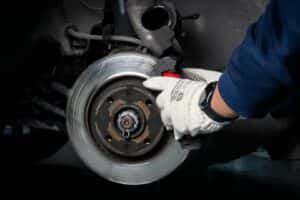
There’s nothing quite like the confidence of brakes that respond smoothly and silently when you need them. Whether you’re navigating Huber Heights, commuting on I-75, or driving through Montgomery County, your Kia’s brake system should provide consistent, quiet stopping power every time you press the pedal. But many drivers experience frustrating brake noise, squealing, or reduced responsiveness that diminishes the driving experience and raises questions about safety.
The good news is that keeping brakes quiet and responsive isn’t complicated or expensive. It requires understanding what causes noise and reduced performance, following appropriate maintenance practices, and adopting driving habits that preserve brake system health. Most brake noise issues are preventable, and responsiveness problems often indicate simple maintenance needs rather than major failures.
The challenge is that brake problems develop gradually. You might adapt to slight squeaking without realizing it’s a symptom of developing issues. Reduced responsiveness happens so slowly that you compensate unconsciously, pressing the pedal slightly harder or allowing more stopping distance without noticing the change. Understanding what your brakes need and recognizing early warning signs helps you maintain optimal performance.
Whether you drive a Forte, Sportage, Sorento, Telluride, or any other Kia model, proper brake care ensures quiet operation and responsive performance that gives you confidence in any driving situation.
What Causes Brake Noise
Understanding why brakes make noise helps you address the root causes rather than just treating symptoms.
Normal Operational Sounds 🔊
Some brake sounds are normal and not indicators of problems. Light squeaking during the first stop of the morning, particularly in humid Ohio weather, often results from surface rust on rotors that formed overnight. This rust wears off within the first few stops and is harmless.
Similarly, light squealing when backing up, particularly after the vehicle has sat for a while, can be normal. The pads seat slightly differently when backing up, sometimes causing brief noise.
Wear Indicator Squealing
Brake pads include small metal tabs designed to contact the rotor when pad material reaches minimum thickness. This creates a high-pitched squealing sound during normal driving (not just when braking) as your audible warning to schedule brake service.
This intentional noise is a safety feature alerting you to worn pads before they cause rotor damage or compromise stopping ability. Responding promptly to this warning prevents more expensive repairs.
Glazed Pads or Rotors
Hard, repeated braking that generates excessive heat can glaze the surface of pads or rotors, creating a hard, smooth finish. Glazed surfaces don’t grip properly, causing squealing and reduced braking effectiveness.
This can occur from riding the brakes on long descents, repeatedly braking hard from high speeds, or from brake components overheating due to stuck calipers.
Contaminated Brake Pads 💧
Oil, grease, brake fluid, or other contaminants on brake pads cause squealing and reduced performance. Contamination might occur from leaking calipers, improper service where lubricant was applied to pad faces, or from environmental exposure.
Contaminated pads typically require replacement, as the contamination penetrates the pad material and can’t be cleaned adequately.
Hardware Issues
Missing, damaged, or incorrectly installed brake hardware (clips, springs, shims) can cause noise. These components dampen vibration and ensure proper pad movement. When damaged or missing, metal-to-metal contact creates squealing or rattling sounds.
Rust and Corrosion
Ohio winters mean road salt that accelerates corrosion on brake components. Rust on caliper slides, hardware, or backing plates can cause squeaking, squealing, or grinding sounds. Regular service that includes cleaning and lubricating brake components prevents corrosion-related noise.
Essential Maintenance for Quiet, Responsive Brakes
Specific maintenance practices keep brakes operating optimally without noise or performance issues.
Regular Cleaning and Lubrication
Brake components need periodic cleaning and proper lubrication to function quietly and effectively.
Caliper Slide Service 🔧
Brake calipers slide on pins or slides that allow them to move freely, applying even pressure to both brake pads. Over time, old grease dries out and contaminates with debris, causing slides to stick.
During brake service, technicians disassemble the caliper slides, clean away old lubricant and corrosion, and apply fresh high-temperature brake grease. This ensures calipers move freely, preventing uneven pad wear, noise, and pulling during braking.
This service should be performed whenever brake pads are replaced and approximately every 24,000-30,000 miles even if pads don’t need replacement.
Hardware Replacement
Brake hardware (anti-rattle clips, pad shims, springs) should be replaced whenever brake pads are replaced. These components lose their effectiveness over time and reusing old hardware often causes noise even with new pads.
Quality brake service includes new hardware rather than reusing worn components to save a few dollars.
Proper Pad and Rotor Service
How brake pads and rotors are serviced significantly affects noise and performance.
Rotor Condition
When replacing brake pads, rotors should be inspected for thickness, warping, and surface condition. Severely worn or warped rotors require replacement. Minor imperfections can often be corrected by resurfacing (machining) the rotors to restore smooth, even surfaces.
Installing new pads on rough, scored, or warped rotors causes noise and reduces braking effectiveness. Proper rotor service is essential for quiet operation.
Pad Break-In 🚗
New brake pads require proper break-in to achieve optimal performance and quiet operation. This involves making 30-50 stops from moderate speeds (30-45 MPH) with light to medium braking force, allowing brakes to cool between stops.
This break-in process transfers a thin layer of pad material onto the rotor, creating the mating surface needed for optimal grip without noise. Skipping break-in or braking too aggressively immediately after pad replacement can cause glazing and noise.
Brake Fluid Service
Fresh brake fluid maintains optimal hydraulic function and responsiveness.
Why Fluid Matters 💧
Brake fluid transmits the force from your brake pedal to the calipers. Old fluid absorbs moisture over time, reducing its boiling point and causing internal corrosion in brake components.
Contaminated fluid affects pedal feel, making brakes feel spongy or less responsive. Internal corrosion can cause caliper pistons to stick, leading to uneven braking, pulling, and noise.
Service Interval
Kia recommends brake fluid replacement every 3 years or 30,000-36,000 miles. This maintenance is often overlooked but is critical for maintaining responsive braking feel and preventing internal component damage.
Fresh fluid restores proper pedal feel and protects expensive components like the ABS module from moisture-related corrosion.
Driving Habits That Preserve Brake Performance
How you drive significantly affects brake life, noise tendency, and responsiveness.
Avoid Aggressive Braking
Hard, late braking generates excessive heat that accelerates pad wear, can cause glazing, and stresses all brake components. Anticipating stops and braking early with lighter pressure reduces wear and heat, extending component life while maintaining quiet operation.
Smooth braking is also safer and more comfortable for passengers. It’s a win in every aspect.
Don’t Ride the Brakes 🚦
Resting your foot on the brake pedal while driving creates constant friction and heat even when you’re not actively braking. This accelerates pad wear, causes glazing, and can lead to overheating on extended drives.
It also confuses drivers behind you when your brake lights are constantly illuminated, potentially causing safety issues.
Use Engine Braking on Hills
On downhill grades, downshift to let engine compression help control speed rather than riding the brakes continuously. This reduces brake temperature and wear while maintaining better control.
This is particularly important on extended descents where continuous braking can overheat the brake system, causing brake fade or glazing that leads to noise and reduced performance.
Allow Brake Cooling
After aggressive driving or repeated hard braking (like in stop-and-go traffic during summer heat), allow brakes to cool before parking. Drive the last few miles with minimal braking if possible, or let the vehicle idle briefly before shutting off after very hard brake use.
Hot brakes that are suddenly stationary can develop hot spots on rotors that cause warping and noise.
Ohio Driving Conditions and Brake Health
Huber Heights’ location and Ohio’s climate create specific conditions affecting brake performance and longevity.
Winter Salt and Corrosion ❄️
Ohio uses significant road salt during winter. Salt accelerates corrosion on brake components, particularly on hardware, caliper slides, and backing plates. This corrosion causes sticking, noise, and eventually component failure.
Regular underbody washing during winter removes salt accumulation. Periodic brake service that includes cleaning and lubricating components prevents corrosion-related problems.
Temperature Extremes
Ohio’s seasonal temperature swings, from winter cold to summer heat, stress brake components. Metal parts expand and contract, affecting tolerances and potentially causing noise. Rubber components (caliper boots, hoses) deteriorate faster with temperature cycling.
Stop-and-Go Traffic
Traffic congestion on I-75, I-675, and local routes means frequent braking. Stop-and-go driving generates more heat than highway cruising and means more brake applications, both accelerating pad wear.
If your driving involves significant traffic, expect brakes to wear faster and benefit more from the driving habits that reduce brake stress.
Moisture and Humidity 💧
Ohio humidity means brake components regularly experience moisture exposure. While modern brakes handle this well, moisture contributes to surface rust on rotors and, over time, corrosion on hardware and caliper components.
Five Signs Your Brakes Need Attention
Recognizing symptoms early allows you to address problems before they worsen or cause additional damage.
- Squealing or Squeaking During Braking
Consistent squealing that occurs during brake application indicates worn pads, glazed surfaces, or hardware issues. While some squeaking can be normal (morning moisture, backing up), noise during every brake application warrants inspection. - Grinding Sounds
Grinding during braking means you’ve worn completely through the pad material and metal is contacting the rotor. This requires immediate attention as it rapidly damages rotors and significantly reduces braking effectiveness. - Pulsing or Vibration in the Brake Pedal 🔊
Feeling pulsing or vibration through the brake pedal indicates warped rotors. This should be addressed promptly as it reduces braking effectiveness and accelerates pad wear. - Soft or Spongy Brake Pedal
If the brake pedal feels soft, requires more travel than usual, or feels spongy, there’s likely air in the brake lines or contaminated brake fluid. This affects responsiveness and requires immediate attention. - Pulling to One Side
If your Kia pulls left or right during braking, you have uneven braking force between sides from a sticking caliper, contaminated pad, or other issue. This affects safety and indicates a problem needing diagnosis.
When to Schedule Brake Service
Knowing appropriate timing for brake maintenance ensures optimal performance without unnecessary service.
Mileage-Based Inspection
Have brakes inspected every 12,000-15,000 miles or annually, whichever comes first. This catches developing issues before they affect safety or cause expensive damage.
Symptom-Based Service
Any of the warning signs described above warrant immediate inspection. Don’t wait for symptoms to worsen. Early diagnosis typically means simpler, less expensive repairs.
When Buying Used
If considering a used Kia, professional brake inspection reveals true component condition, helping you negotiate price or identify needed service.
Before Long Trips 🚗
Planning a road trip? Have brakes inspected beforehand for peace of mind that they’re ready for extended highway driving.
Cost of Proper Maintenance
Understanding typical costs helps you budget and recognize fair pricing.
Regular Service
Brake inspection typically costs little or nothing when performed during other services like oil changes. Cleaning and lubricating caliper slides costs $50-100. Brake fluid replacement costs $100-150.
Pad Replacement
Front brake pad replacement typically costs $200-350 including labor. Rear pads cost $150-300. If rotors need replacement or resurfacing, add $150-300 per axle.
The Value Proposition 💰
Proper maintenance extends pad life from perhaps 30,000 to 50,000+ miles, saving hundreds in premature replacement costs. It prevents rotor damage that doubles repair costs. Most importantly, it maintains the quiet, responsive braking that makes driving enjoyable and safe.
Local Expert Perspective
“The difference between brakes that stay quiet and responsive versus those that develop problems is usually maintenance,” says Jennifer Wallace, brake specialist at the Old Troy Pike location. “We see identical Kia models with vastly different brake conditions. The ones that get regular service, caliper cleaning, and proper fluid changes are quiet and responsive at 60,000 miles. The neglected ones are squealing and pulling at 30,000 miles.”
She continues, “What frustrates people is spending money on new pads and having noise return in a few months. Usually that’s because the service was incomplete, old hardware was reused, calipers weren’t cleaned and lubricated, or rotors weren’t properly addressed. Quality brake service costs a bit more initially but lasts far longer and stays quiet. Cheap brake jobs end up costing more through repeated service.”
Quality Parts Matter
When brake service is needed, component quality significantly affects performance and longevity.
OEM vs. Aftermarket
Kia OEM brake pads are engineered specifically for your vehicle, ensuring proper fit, performance, and quiet operation. Quality aftermarket pads from reputable manufacturers can perform similarly at potentially lower cost.
Avoid economy or bargain pads. They often contain harder friction material that causes noise and might wear rotors faster. They might also produce excessive brake dust or have poor performance in varied conditions.
Complete Service Value 🔧
Quality brake service includes new hardware, proper caliper cleaning and lubrication, rotor inspection and service, and fluid testing. This comprehensive approach ensures quiet, responsive operation rather than just slapping new pads on old, unprepared components.
The few dollars saved by skipping proper service procedures typically costs more when noise develops or components wear prematurely.
Maintaining Performance Long-Term
Brakes that remain quiet and responsive for the long term require consistent attention and proper care.
Follow Maintenance Schedules
Regular inspection and timely service prevent small issues from becoming major problems. Following Kia’s recommended maintenance intervals provides optimal protection.
Address Problems Promptly
When symptoms develop, have them diagnosed quickly. Small problems caught early are easier and less expensive to repair than waiting until complete failure.
Choose Quality Service ✅
Use facilities that understand proper brake service procedures. The lowest price isn’t always the best value if service is incomplete or uses inferior parts.
Keep Your Brakes Performing Their Best
Your Kia’s brake system is engineered to provide quiet, responsive stopping power throughout its life. Maintaining that performance requires appropriate maintenance, quality parts, and driving habits that preserve brake health.
Ohio’s challenging conditions, from winter salt to summer heat, traffic congestion to temperature extremes, all stress brake systems in ways that accelerate wear and can cause noise. Regular service adapted to these conditions ensures your brakes continue performing optimally.
The confidence that comes from brakes that respond smoothly and silently when you need them is invaluable. Proper maintenance provides that confidence while also protecting your investment and ensuring safety for you and your passengers.
Schedule Your Brake Service Today ✅
Don’t wait for noise or reduced responsiveness to have your Kia’s brakes serviced. Professional maintenance catches developing issues early, restores quiet operation, and ensures optimal stopping performance.
Whether your brakes need routine inspection, you’ve noticed symptoms requiring attention, or you want comprehensive service to restore like-new performance, experienced technicians can provide the care your brake system needs.
Schedule your brake service appointment today at 8560 Old Troy Pike in Huber Heights, or call to discuss your Kia’s brake performance with a service advisor. Because quiet, responsive brakes aren’t just about comfort, they’re about the confidence and safety that proper brake maintenance provides every time you drive.

0 comment(s) so far on The Best Way to Keep Your Kia’s Brakes Quiet and Responsive