


Downtown Dayton Stop-and-Go Driving: Brake Rotor Wear & Pad Replacement Signs
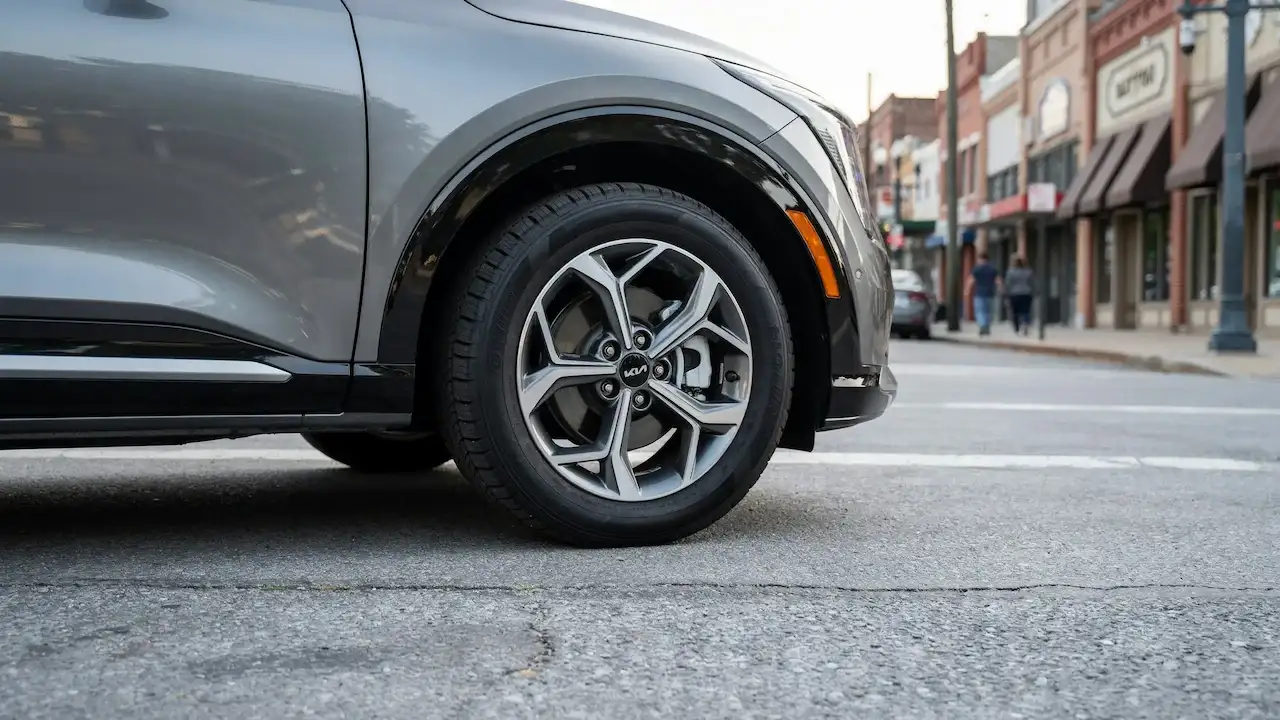
Key Takeaways
- City driving wears brakes faster: Frequent stops at downtown signals, bridges, and event traffic use up pads and rotors much sooner than steady highway driving.
- Sound and feel are your best clues: Squealing, grinding, a pulsing pedal, or a longer stopping distance usually mean the brakes need attention.
- Pads protect rotors: Replacing worn pads on time often means keeping the rotors, while waiting too long can turn a simple service into a larger repair.
- Driving habits extend brake life: Looking ahead, easing off early, and leaving extra following distance cut down on heat and wear.
If your daily route takes you from Huber Heights down Old Troy Pike and into the grid of one-way streets in downtown Dayton, your Kia’s brakes are working harder than you might realize. Every red light, every crowded block near the Oregon District, and every game night rush toward the ballpark means another stop, and another round of heat and friction. A brake inspection and a set of pads cost a small fraction of what you will pay for ruined rotors, a damaged caliper, and the repair bill that follows a brake system pushed past its limits. The good news is that brakes announce their wear in plain language, and learning those signals keeps you safe and your repair costs low.
Why Downtown Dayton Is Hard on Brakes
Highway driving lets you slow down gradually and keeps brakes cool for long stretches. Downtown driving does the opposite. Closely spaced signals, one-way streets, pedestrian crossings, and bridges over the Great Miami River all call for frequent braking, often from moderate speeds to a complete stop. Each stop turns the vehicle’s motion into heat, and in stop-and-go traffic that heat has little time to dissipate before the next one.
Events add another layer. Evening games, concerts, and downtown festivals create sudden slowdowns and long stretches of creeping traffic, and morning rush hour on I-75 and US-35 can compress traffic without warning. Short trips make matters worse, because brakes that never fully warm up can collect moisture and surface rust. Ohio winters bring road salt and brine that speed up corrosion on rotors and calipers. To avoid the worst congestion and see what is happening on your route, you can check live conditions through OHGO.
How Your Kia’s Brakes Work
When you press the pedal, hydraulic pressure pushes brake pads against the rotors, which are the metal discs that spin with the wheels. The friction between the pads and the rotors slows the vehicle and turns motion into heat. The caliper holds the pads and squeezes them against the rotor, and brake fluid transmits the force from your foot to the calipers.
Pads are designed to wear, because they are the sacrificial part of the system. They are made of friction material that slowly wears down over thousands of miles. Rotors wear much more slowly, but they do wear, and they can also be damaged by heat, corrosion, and worn-out pads. If your Kia is a hybrid or electric model, regenerative braking handles a lot of the everyday slowing, which can extend pad life. But the friction brakes still matter, and they can corrode if lightly used, so they need regular inspection too.
Signs It Is Time to Replace Your Brake Pads
Brake pads usually warn you before they are completely worn out. Pay attention if you notice any of the following:
- A high-pitched squeal when braking, often caused by a built-in wear indicator touching the rotor
- A deep grinding or growling sound, which can mean the friction material is gone and metal is contacting metal
- A brake pedal that sinks lower than normal or feels soft
- A longer stopping distance, or a car that takes more effort to slow down
- A brake warning light on the dashboard
- The vehicle pulling to one side when braking
- Visible thin pads when you look through the wheel spokes, or an unusually large amount of dark dust on the wheels
If you hear squealing, schedule a visit soon. If you hear grinding, avoid driving more than necessary, because metal contact can score the rotors quickly and make the repair larger and more expensive.
Signs Your Rotors Are Wearing Out
Rotors have their own warning signs, and they are worth knowing. A pulsing or vibrating pedal, or a shake in the steering wheel while braking, often points to uneven rotor thickness or warping from heat. Deep grooves, scoring, or a pronounced lip at the outer edge of the rotor suggest heavy wear. Blue or dark discoloration can indicate that the rotor has overheated, and heavy rust or pitting can develop when a vehicle sits or sees only light braking.
Every rotor has a minimum thickness specification, usually stamped on the rotor itself. A technician can measure it with a micrometer. If the rotor is thinner than the minimum, it cannot safely handle heat and should be replaced. Some rotors can be resurfaced if they have enough material, but many modern rotors are thin by design and are more commonly replaced with the pads. A professional inspection tells you which option makes sense for your Kia. You can review brake services at the Kia of Dayton service center.
Why Waiting Costs More
Brake wear follows a simple pattern. Pads wear first, and when they are replaced at the right time, the rotors often have plenty of life left. If pads are ignored until they are worn through, the metal backing plate can cut into the rotor, creating deep grooves and heat damage that require replacement. Overheated or seized calipers can also develop, which adds to the repair.
Safety matters even more than cost. Worn brakes increase stopping distance, and in crowded downtown traffic, a few extra feet can be the difference between a close call and a collision. The National Highway Traffic Safety Administration offers general vehicle safety and recall information at NHTSA.gov, and it is a good idea to check for open recalls on your vehicle identification number so nothing known is overlooked.
Driving Habits That Extend Brake Life
You can make your brakes last longer without changing your route. Look far ahead and anticipate signals, so you can ease off the accelerator early and coast toward a stop instead of braking late and hard. Leave a larger gap between you and the vehicle ahead, which gives you time to slow smoothly. Avoid resting your foot on the brake pedal, which creates constant light friction and heat.
On a long downhill ramp or bridge approach, use steady, moderate braking rather than sudden stabs. If your Kia has a regenerative or paddle-adjustable setting, use it to increase engine or motor braking in traffic. Remove unneeded heavy items from the vehicle, since extra weight increases the energy the brakes must absorb. And if your car sits for long periods, drive it regularly so rust does not build up on the rotors and the caliper slides stay free.
Brake Maintenance Beyond Pads and Rotors
Pads and rotors are only part of the system. Brake fluid absorbs moisture over time, which lowers its boiling point and can cause a soft pedal under repeated heavy braking. Follow the fluid replacement schedule in your owner’s manual, and consider a more frequent interval if you drive in heavy traffic. Caliper slide pins should be cleaned and lubricated during brake service, because sticking pins cause uneven pad wear and drag. Brake hoses and lines should be checked for cracks, bulges, or corrosion, especially after winters with heavy road salt.
If you are shopping for parts or want to see what is available for your model, the parts center is a helpful starting point. Keeping records of your brake service also makes it easier to plan ahead and spot unusual wear patterns.
What Maintenance Costs vs. What Neglect Costs
Prices vary by model, parts, and labor, so treat these as general comparisons and ask for an estimate before any work begins.
- Brake inspection: A modest charge, and sometimes included with other service, that measures pad thickness and checks rotors.
- Pad replacement: A moderate cost per axle when done on time, and often all that is needed.
- Pads and rotors together: A higher cost per axle, and the usual outcome when pads have worn too far or rotors have worn below minimum thickness.
- Brake fluid service: A moderate cost that protects the whole hydraulic system from moisture and corrosion.
- Caliper replacement: A significant added cost per wheel when a caliper has seized or been damaged by heat and neglect.
The pattern is clear. Timely pad service protects the more expensive parts of the braking system, and it protects the thing no estimate can measure, your ability to stop.
Keep Your Kia Stopping Strong in the City
Downtown Dayton will always mean traffic, signals, and surprises, but your brakes can be ready for them. Listen for squeals and grinding, watch for pulsing in the pedal, and have your pads and rotors inspected before small wear becomes a bigger problem. When you are ready, you can reserve a visit through Schedule Service and let the team at Kia of Dayton, located at 8560 Old Troy Pike, Huber Heights, OH 45424, United States inspect your brakes and keep your Kia stopping with confidence on every downtown drive.
0 comment(s) so far on Downtown Dayton Stop-and-Go Driving: Brake Rotor Wear & Pad Replacement Signs