


Kia Multi-Port vs. Direct Injection: Resolving Rough Idle in Older Optimas and Souls
Key Takeaways
- Multi-port injected engines typically develop rough idle from dirty injectors or vacuum leaks rather than carbon buildup
- Direct-injected engines are more prone to intake valve carbon, which restricts airflow and causes uneven idle
- Knowing which system your Optima or Soul uses changes where a technician should look first
- Age and mileage matter more than model year alone, since both systems can develop rough idle as components wear
Older Optimas and Souls came with a mix of multi-port and direct-injection engines depending on the model year and trim, and that difference matters more than most owners realize once rough idle shows up. Diagnosing the right system from the start avoids paying for repairs aimed at the wrong cause.
Two Different Injection Systems, Two Different Failure Patterns
Multi-port fuel injection sprays fuel into the intake manifold just before the intake valve, where detergents in the fuel help keep the valve and injector tips relatively clean over time. Direct injection sprays fuel straight into the combustion chamber instead, improving power and efficiency but leaving the back of the intake valve without that fuel wash, which allows oil vapor to bake onto the valve surface as hardened carbon over time. Kia used both systems across the Optima and Soul lineup depending on model year, trim, and engine size, which is part of why two vehicles that look nearly identical on paper can develop completely different rough idle causes.
- Multi-port injection: Common on earlier Optima and Soul model years, prone to injector deposits and vacuum leaks as the culprits behind rough idle
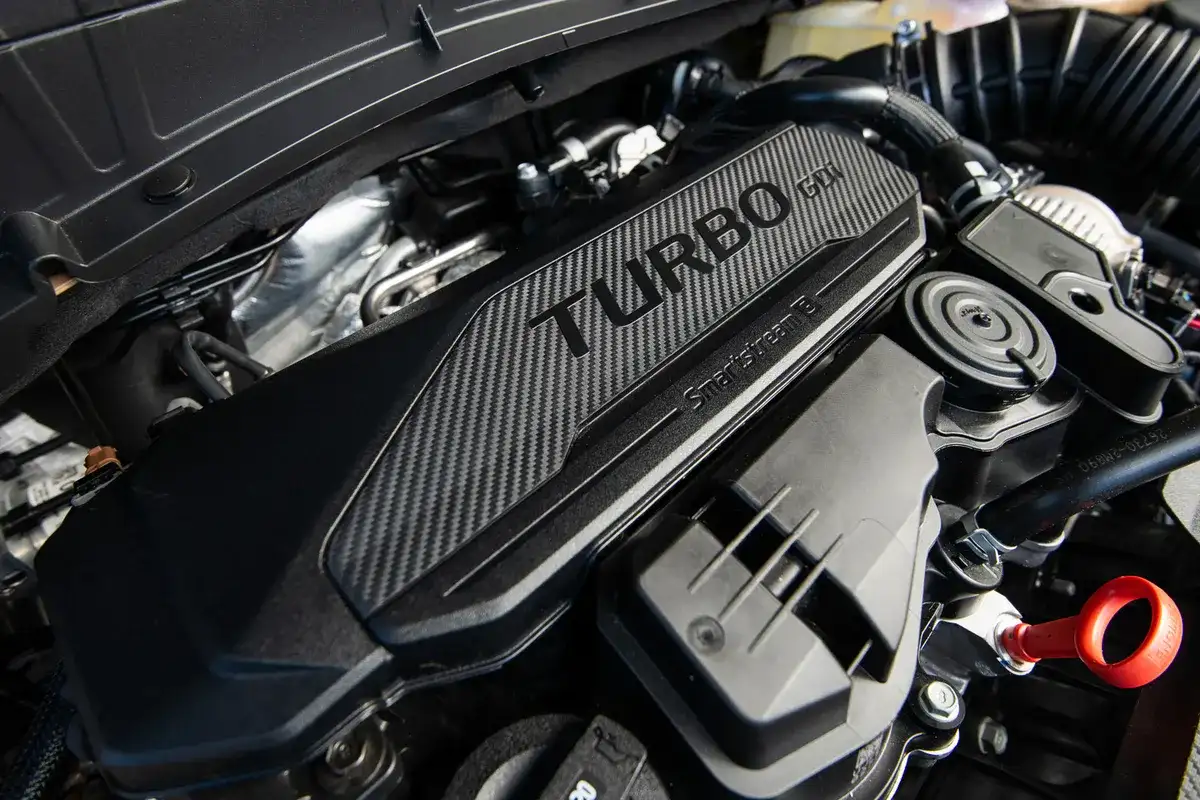
- Direct injection: Introduced on later trims and turbocharged engines, prone to intake valve carbon buildup as the primary cause
Because these two systems fail in different ways, the first step in resolving rough idle is confirming which type of injection your specific engine uses, since that determines where the real problem is likely hiding. A VIN lookup or a quick check under the hood can usually settle the question before any diagnostic work begins.
Why This Matters More on Older, Higher-Mileage Vehicles
Dayton-area Optimas and Souls that have logged years of stop-and-go driving around Old Troy Pike, Huber Heights, or commuting near Wright-Patterson are exactly the vehicles most likely to show rough idle symptoms, since both injector deposits and carbon buildup worsen with age and mileage rather than appearing suddenly. A vehicle that spends most of its life on short trips through town tends to develop either issue sooner than one that sees more sustained highway driving on routes like I-70 or I-75, since lower average engine temperatures give both injector residue and valve carbon more opportunity to harden. Checking your vehicle’s maintenance menu against your engine type and mileage is a useful starting point before assuming either cause.
Rough Idle on Multi-Port Injected Engines
On older multi-port engines, rough idle more often traces back to dirty or clogged fuel injectors, a vacuum leak in aging intake hoses or gaskets, or carbon buildup on the throttle body itself. Because fuel spray helps keep the intake valves reasonably clean, valve carbon is rarely the primary suspect here, and a technician typically starts by checking injector spray pattern and looking for unmetered air entering the intake system. Aging rubber components, such as brittle vacuum lines or a worn intake gasket, are common contributors on a vehicle that’s several years into its service life, and these are often simpler and less expensive to address than carbon-related repairs on a direct-injected engine.
Rough Idle on Direct-Injected Engines
On direct-injected Optimas and Souls, particularly turbocharged trims, intake valve carbon is the more likely cause once the vehicle has accumulated meaningful mileage. Since fuel never touches the back of the valve, deposits build gradually and restrict airflow unevenly across cylinders, showing up as a rough or inconsistent idle that can worsen slowly enough that many drivers don’t immediately connect it to the injection system at all. Frequent short trips around town accelerate this process compared to sustained highway driving, since lower sustained engine temperatures give carbon more time to harden onto the valve surface between drives.
“With rough idle complaints, the first thing we do is pull up the fuel trims and confirm which injection system we’re actually working with before touching anything else, because the fix looks completely different depending on the answer.“
Diagnosing Which System Is at Fault
From there, a technician typically performs a visual inspection where accessible and may use a borescope to directly view intake valve condition on a direct-injected engine. A suspected multi-port issue usually leads to injector cleaning, vacuum leak testing, or throttle body cleaning, while a direct-injection case typically moves toward intake valve inspection followed by walnut shell blasting if carbon is confirmed. This distinction matters because the two repairs use entirely different tools and procedures, and starting with the wrong assumption means paying for diagnostic time twice. Parts and cleaning products used through the parts center are matched to the specific engine and injection type.
What to Expect During a Service Visit
A typical visit for a rough idle complaint starts with pulling live data from the engine’s computer, including fuel trim values that can hint at whether the engine is running too rich or too lean in a way consistent with either injector problems or restricted airflow past carbon deposits. From there, the technician narrows down the cause with the system-specific checks described above rather than replacing parts speculatively. This approach tends to resolve the issue in a single visit far more often than a trial-and-error process, particularly on a vehicle where the injection type wasn’t confirmed beforehand.
Cost Comparison: Diagnosis and Repair by System
- Multi-port injector or vacuum leak repair: A moderate cost, often resolving idle issues without more extensive engine work
- Direct-injection valve de-carbonization: A comparable cost when caught proactively, typically involving walnut shell blasting or intake cleaning
A misdiagnosed repair aimed at the wrong system is an avoidable added cost on top of either of these, since fixing a vacuum leak won’t resolve carbon buildup and vice versa. Starting with an accurate diagnosis of which injection system is actually installed is consistently the more affordable path compared to guessing based on symptoms alone.
Reducing Rough Idle Risk Between Services
A couple of habits help regardless of which injection system your Optima or Soul uses. Mixing in longer highway drives when possible allows sustained higher engine temperatures to help reduce buildup on direct-injected engines, while staying current with fuel system cleaning, using quality fuel and periodic injector service, helps multi-port systems stay cleaner longer. Paying attention to how the engine idles at a stoplight, and mentioning any change at your next routine visit rather than waiting for it to worsen, also helps catch either issue while it’s still a minor and inexpensive fix. Neither habit eliminates the underlying tendencies of either system, but both can meaningfully extend the interval before rough idle symptoms appear.
When to Schedule Service
If your Optima or Soul has developed a rough or uneven idle, it’s worth confirming which injection system your engine uses before assuming the cause. Dayton’s mix of short local trips and stop-and-go commuting around Huber Heights and Wright-Patterson makes both failure patterns common here, and an accurate starting point saves time and money compared to a guess-and-replace approach.
Kia of Dayton, located at 8560 Old Troy Pike, Huber Heights, OH 45424, has the factory-trained technicians and diagnostic tools needed to identify your engine’s injection type and resolve rough idle at the source. You can schedule service online or check the blog for more maintenance guidance on older Optimas and Souls driven around the Dayton area.
0 comment(s) so far on Kia Multi-Port vs. Direct Injection: Resolving Rough Idle in Older Optimas and Souls