

Navigating Route 4 with Precision: Why the New Kia K4 and Refreshed Sportage Need Specialized ADAS Calibration After a Tire Alignment
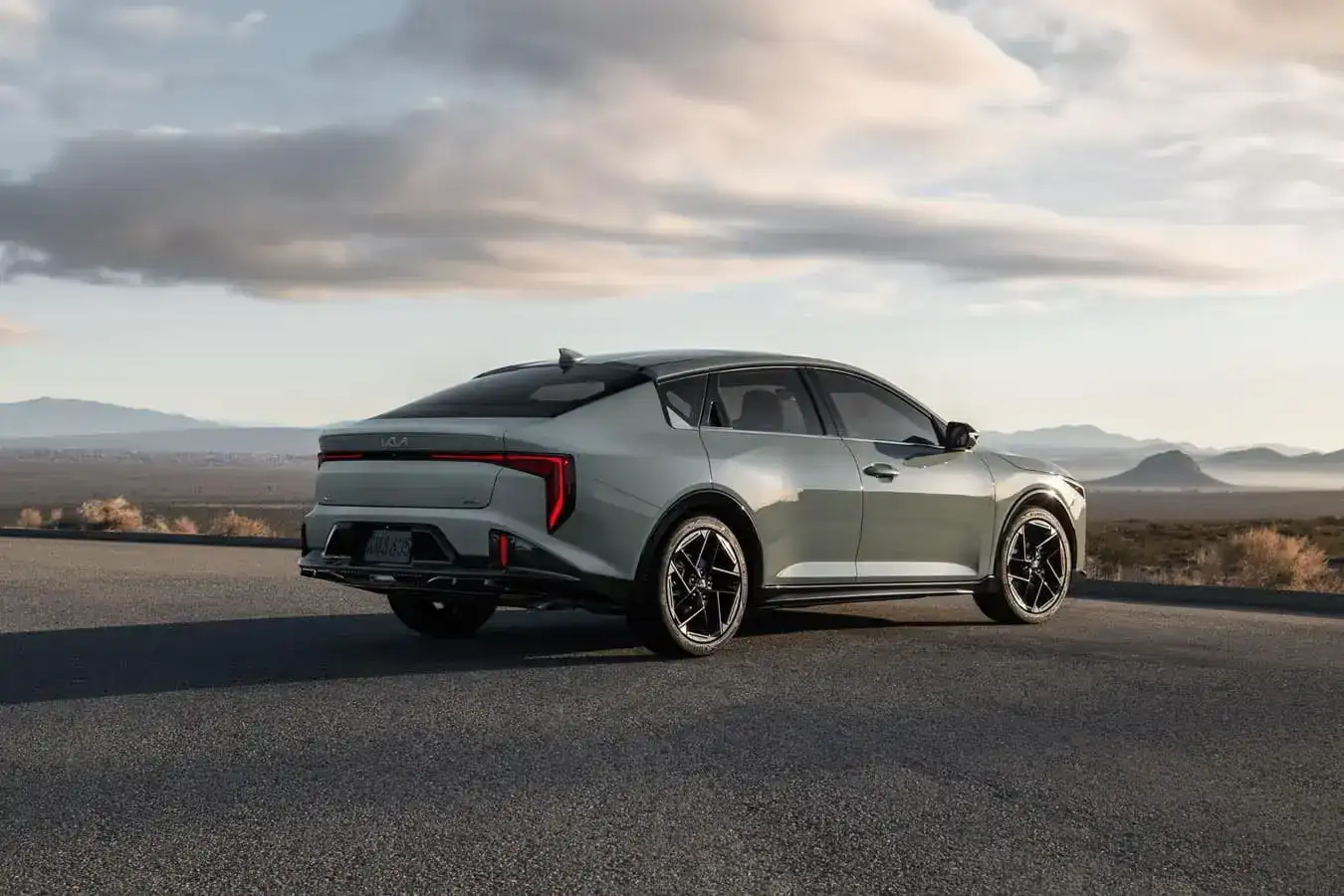
Kia’s 2026 lineup has pushed driver assistance technology further than almost any prior generation. The new K4 comes standard with 16 ADAS features and offers up to 29 depending on trim, while the refreshed Sportage adds Highway Driving Assist 2 and an expanded suite of parking and collision avoidance systems to its already comprehensive lineup. Skipping ADAS calibration after a routine alignment doesn’t just risk a warning light, it risks a lane-keeping system that quietly steers based on geometry that no longer matches reality, and catching that with a proper calibration costs far less than what happens if a malfunctioning safety system goes unnoticed. For Huber Heights drivers running Route 4 or the I-70 corridor every day, that combination of advanced sensors and real road conditions makes the connection between alignment and ADAS calibration something worth understanding clearly.
Understanding why these two services are linked, and why skipping the second one after the first leaves a vehicle’s safety systems working off outdated information, helps Kia owners in the Dayton area protect the technology they’re paying for.
Why ADAS Systems Depend on Precise Vehicle Geometry
Every ADAS feature on the K4 and Sportage, from Blind-Spot Collision Avoidance Assist to Smart Cruise Control with Stop and Go, depends on forward-facing cameras and radar sensors that were calibrated to a specific understanding of the vehicle’s geometry. That calibration assumes the wheels sit at a particular angle relative to the vehicle’s centerline, and the cameras and radar units are aimed and interpreted based on that assumption.
A wheel alignment changes exactly the angles those systems were calibrated around. When a technician adjusts toe, camber, or caster to bring a vehicle back to factory specification, the alignment is doing its job correctly, but it’s also changing the steering angle sensor’s reference point and the physical relationship between the front wheels and the vehicle’s centerline. A forward-facing camera that was calibrated when the wheels pointed slightly off-center will not automatically understand that the wheels are now pointing straight. Without recalibration, the system continues operating off the older geometry, which means features like lane-keeping assist or automatic emergency braking are working from inaccurate information about where the vehicle actually is relative to the road.
This isn’t a hypothetical concern specific to Kia. It’s an industry-wide reality that collision repair and calibration specialists treat as a standard part of any alignment work on a vehicle equipped with ADAS, precisely because the connection between alignment geometry and sensor accuracy is mechanical, not optional.
What Can Go Wrong Without Recalibration
The risk isn’t always obvious from the driver’s seat, which is part of what makes skipping calibration after an alignment a genuinely dangerous shortcut rather than a minor oversight:
- Lane-keeping assist and lane departure warning can misread lane position, either failing to warn when the vehicle drifts or triggering corrections based on geometry that no longer matches where the wheels actually are
- Adaptive cruise control and forward collision warning systems rely on radar units that need to be aimed with precision; a slight misalignment in that aim can change how the system judges following distance or reacts to a vehicle ahead
- Blind-spot monitoring and rear cross-traffic alert sensors, both standard on the K4 and expanded in the refreshed Sportage’s available trims, depend on consistent angle assumptions that an uncalibrated alignment can throw off
- Steering angle sensor readings that feed into multiple ADAS systems simultaneously, meaning a single uncorrected reference point can quietly affect several safety features at once rather than just one
In many cases, these systems won’t throw an obvious warning light or fault code even when they’re working from outdated calibration data. They simply perform with reduced accuracy, which is the worst possible outcome for a safety system: it looks like it’s working normally while actually delivering less protection than the driver expects.
Why Route 4 and Huber Heights Driving Make This More Relevant
Route 4 and the surrounding Huber Heights road network see the kind of regular wear, pothole exposure, and seasonal pavement shifts that gradually push alignment out of specification over time, the same kind of driving conditions that make periodic alignment checks a reasonable part of routine Kia ownership in this area. Every time that alignment is corrected, whether due to gradual drift, a pothole impact, or new tire installation, the ADAS systems on a K4 or Sportage need to be brought back into agreement with the corrected geometry.
For drivers using either vehicle’s adaptive cruise control or lane-keeping assist regularly on I-70 or the stretch of Route 4 connecting Huber Heights to the rest of the Dayton metro, that recalibration isn’t a nice-to-have. It’s what keeps those systems performing the way Kia designed them to when the driver is actually relying on them at highway speed.
What a Proper Calibration Involves
ADAS calibration generally falls into two categories: static calibration, performed with the vehicle stationary using specific targets and equipment positioned at precise distances from the vehicle, and dynamic calibration, performed by driving the vehicle under specific conditions while the system relearns its reference points. Many vehicles, including current Kia models, require one or both depending on which systems are affected and what triggered the need for recalibration.
A Kia-certified technician performing an alignment on a K4 or Sportage has the manufacturer-specific procedures and calibration equipment to confirm which ADAS systems are affected by the alignment work just completed, and to bring each one back into agreement with the vehicle’s corrected geometry before handing the keys back. Skipping that step, or having alignment work done somewhere without access to Kia’s calibration procedures, leaves the vehicle technically aligned but with safety systems running on outdated assumptions.
A complete service following any alignment work on either vehicle should include:
- Verification of which ADAS systems are affected by the specific alignment adjustments made, since not every system requires the same recalibration trigger
- Static calibration using Kia-specified targets and measurements where required by the system in question
- Dynamic calibration drive cycles where the system needs real-world driving conditions to relearn its reference points
- A final confirmation that all affected systems are reporting normal status and operating against the corrected vehicle geometry
Protecting What You’re Actually Paying For
Both the K4 and the refreshed Sportage represent real investments in driver assistance technology, and that investment only pays off if the systems are actually calibrated to match the vehicle’s real-world geometry. An alignment performed without the follow-up calibration is an incomplete service, even if the tires roll straight and true afterward, because the safety systems riding on top of that geometry haven’t been told anything changed.
The Kia-certified service team at Kia of Dayton, located at 8560 Old Troy Pike, Huber Heights, OH 45424, performs wheel alignment and the full ADAS recalibration that needs to follow it on the 2026 K4 and Sportage, using Kia-specific equipment and procedures. Schedule your alignment and calibration together, and make sure your safety systems are working with the same accuracy your wheels are.

0 comment(s) so far on Navigating Route 4 with Precision: Why the New Kia K4 and Refreshed Sportage Need Specialized ADAS Calibration After a Tire Alignment