

Preventing GDI Carbon Buildup in Your Kia Sportage or Sorento: Fuel System Service
Key Takeaways
- Gasoline direct injection engines, standard in many Sportage and Sorento trims, are more prone to intake valve carbon buildup than older port injected engines
- Carbon deposits accumulate gradually on the back of intake valves, since GDI fuel injectors don’t spray fuel across that area the way older systems did
- Reduced fuel economy, rough idle, and hesitation are common symptoms of carbon buildup that’s progressed far enough to affect performance
- Routine fuel system service, including intake valve cleaning, is far less expensive than the repairs that come from ignoring buildup for years
If your Sportage or Sorento has started to feel a little less responsive than it used to, or if fuel economy has quietly crept downward without any obvious cause, gasoline direct injection carbon buildup is worth considering. A fuel system and intake valve cleaning service typically runs somewhere in the one hundred fifty to three hundred dollar range, while ignoring significant carbon buildup can lead to more involved repairs, including valve damage, that cost considerably more.
Gasoline direct injection, commonly abbreviated as GDI, has become standard across much of Kia’s lineup, including many Sportage and Sorento trims, and it offers real advantages in terms of fuel efficiency and power output compared to older port injection systems. That efficiency comes from injecting fuel directly into the combustion chamber at high pressure, rather than spraying it into the intake port before the valve, but that same design change is exactly what makes GDI engines more prone to a specific kind of carbon buildup that older engines rarely dealt with.
Why GDI Engines Are More Prone to Carbon Buildup
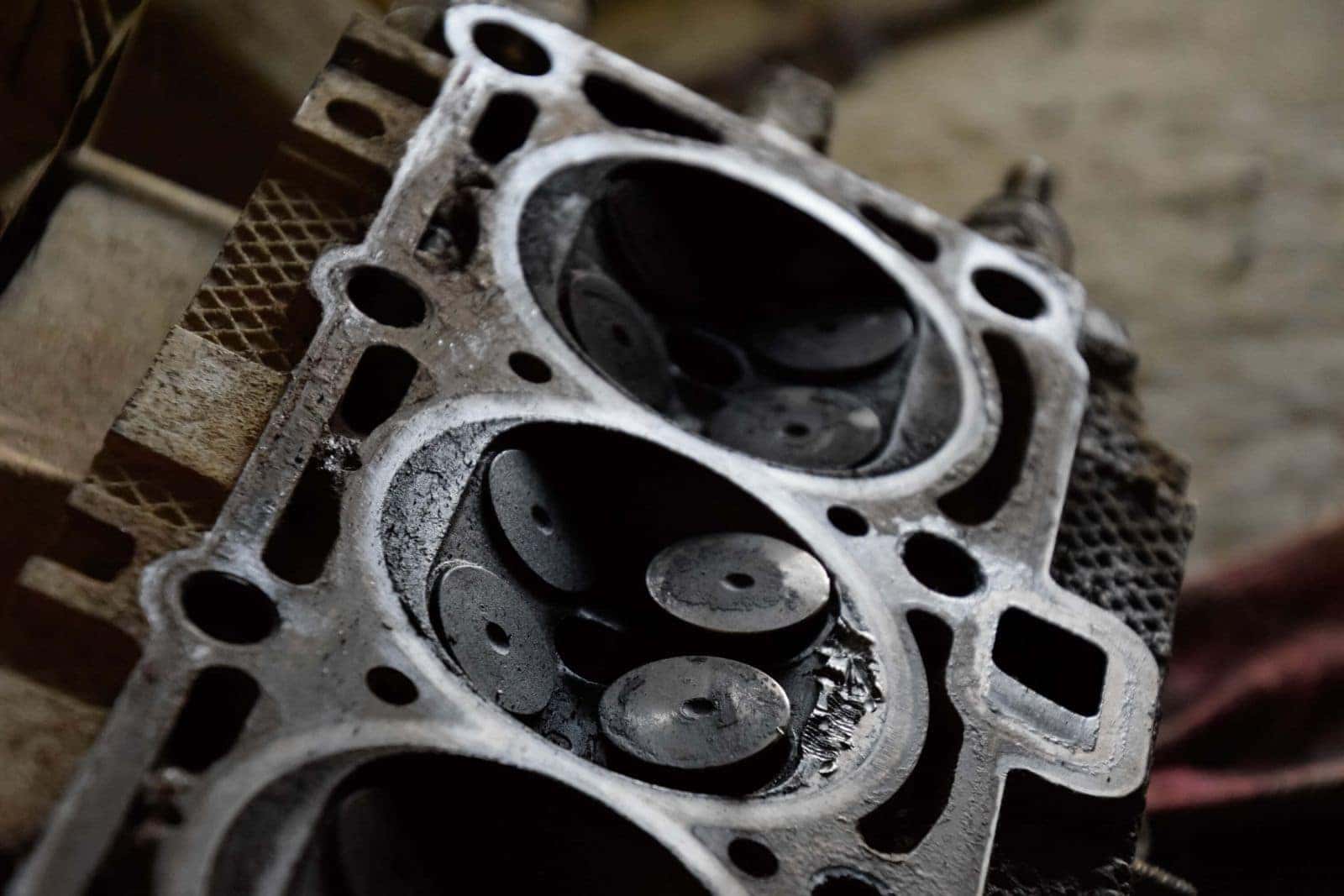
In a traditional port injected engine, fuel is sprayed directly onto the back of the intake valve on its way into the cylinder. That constant fuel spray has a natural cleaning effect, washing away small amounts of carbon deposits before they have a chance to accumulate significantly. A GDI engine injects fuel directly into the combustion chamber instead, bypassing the intake valve entirely during the fuel delivery process. Without that regular fuel wash across the valve surface, carbon deposits from oil vapor and combustion byproducts have nothing to prevent them from slowly building up on the back of the intake valves over time.
Aaron Sizemore, a technician at our Dayton service center, explains that this isn’t a defect or a sign that something’s wrong with the engine. It’s simply an inherent characteristic of how GDI systems work, and it affects essentially every direct injection engine on the road to some degree over enough miles. He notes that the rate of buildup varies based on driving habits, oil quality, and how consistently a vehicle gets routine maintenance, but virtually every GDI equipped Sportage or Sorento will develop some degree of carbon buildup over its lifetime without intervention.
How Carbon Buildup Affects Performance and Fuel Economy
As carbon deposits accumulate on the intake valves, they gradually restrict and disrupt the smooth flow of air into the combustion chamber. Since the engine’s computer relies on consistent airflow to calculate the correct fuel mixture, a valve coated in carbon can throw off that balance in ways that show up as reduced performance long before a driver might think to connect the symptoms back to the fuel system.
Brianna Hutzel, a service advisor here, says the most common complaints she hears from customers dealing with advanced carbon buildup are a rough or inconsistent idle, hesitation during acceleration, and a fuel economy that’s declined gradually enough that it’s easy to attribute to other causes, like weather or driving habits, rather than the actual source. She explains that these symptoms tend to develop slowly enough that customers often don’t realize how much performance has drifted from where the vehicle used to feel until after a service resolves the issue and the difference becomes obvious.
- Rough or inconsistent idle, particularly noticeable at stoplights or when the engine is warming up
- Hesitation or a slight stumble during acceleration, especially from a stop
- Gradually declining fuel economy that develops slowly enough to go unnoticed for months
- A check engine light referencing misfire codes or airflow related issues in more advanced cases
What Fuel System Service Actually Involves
Addressing GDI carbon buildup typically involves a specialized intake valve cleaning process, since the deposits sit in a location that isn’t reached by fuel additives poured into the tank the way it would be in an older port injected engine. Technicians use a cleaning solution applied directly to the intake valves, often combined with a walnut shell blasting technique in more advanced cases, to physically remove accumulated carbon from the valve surfaces.
Aaron recommends this kind of intake service as part of a broader fuel system cleaning that also addresses the fuel injectors and throttle body, since carbon and other deposits can accumulate throughout the fuel delivery system over time, not just at the intake valves. He suggests that Sportage and Sorento owners talk with their service advisor about a reasonable interval for this kind of service based on their specific driving habits and mileage, since a vehicle used mostly for short trips tends to accumulate carbon buildup differently than one primarily driven on the highway.
- Have intake valves professionally cleaned on a schedule appropriate to your driving habits and mileage, rather than waiting for symptoms to appear
- Use quality fuel and motor oil, since oil vapor entering the intake system is a contributing factor in carbon deposit formation
- Pay attention to gradually declining performance or fuel economy, since these are often the first noticeable signs of buildup
- Ask about a full fuel system service that addresses injectors and the throttle body along with intake valve cleaning
Reducing Carbon Buildup Through Everyday Driving Habits
While carbon buildup can’t be eliminated entirely in a GDI engine, certain driving habits can slow its accumulation. Highway driving that allows the engine to reach and maintain higher, sustained RPMs tends to produce less carbon buildup than an engine that spends most of its life in short trips and low speed city driving, since sustained higher combustion temperatures help burn off some deposits before they fully harden onto the valve surface. Brianna notes that customers whose Sportage or Sorento is used primarily for short errands around Huber Heights and the surrounding area tend to see carbon buildup develop somewhat faster than those with regular highway commutes, simply because the engine rarely gets a chance to reach the conditions that naturally limit deposit formation.
- Take your vehicle on occasional longer highway drives if most of your regular driving consists of short trips
- Stick to the manufacturer recommended oil change interval, since fresh, quality oil reduces the vapor contributing to carbon deposits
- Don’t ignore a rough idle or hesitation, since these symptoms tend to worsen gradually if the underlying buildup isn’t addressed
- Discuss a fuel system service interval with your technician based on your specific driving patterns and mileage
Carbon buildup is simply part of owning a modern GDI equipped vehicle, but it’s a manageable part with the right maintenance approach. Kia of Dayton, located at 8560 Old Troy Pike, Huber Heights, OH 45424, is glad to take a look at your Sportage or Sorento’s intake system, whether that means a routine fuel system cleaning or a closer diagnosis of a rough idle or hesitation you’ve started to notice. Staying ahead of carbon buildup now keeps your Kia running the way it’s supposed to for years down the road.

0 comment(s) so far on Preventing GDI Carbon Buildup in Your Kia Sportage or Sorento: Fuel System Service