


Pre-Winter Fluid Health Check: Antifreeze Ratios, Windshield Washer Antifreeze, and Brake Fluid Moisture Checks for Ohio Cold
Key Takeaways
- Coolant ratio sets your freeze protection: A 50/50 mix of antifreeze and distilled water protects an engine to roughly 34 degrees below zero, while a diluted or aged mix can leave the system exposed on a single-digit Miami Valley morning.
- Washer fluid must be winter rated: Summer blends and plain water can freeze in the lines and reservoir, which can crack components and leave you with no spray behind a salt-throwing truck on I-75.
- Brake fluid absorbs moisture over time: Even sealed brake systems slowly take on water, which lowers the fluid’s boiling point and encourages corrosion inside calipers and lines.
- A fluid check is quick and inexpensive: Testing all three systems in one visit costs far less than a cracked reservoir, an overheated engine, or a brake repair caused by corroded components.
Ohio winters do not ease in politely. A mild afternoon in Huber Heights can turn into a single-digit morning on Old Troy Pike, and the fluids your Kia relies on get tested all at once. A pre-winter fluid check costs a small fraction of what it takes to repair a frozen cooling system, a split washer reservoir, or a corroded brake caliper.
Antifreeze Ratios and What They Really Protect
Engine coolant does two jobs at the same time. In summer it carries heat away from the engine, and in winter it keeps the liquid in the cooling system from freezing and expanding. The protection comes from mixing antifreeze, which is typically ethylene glycol based, with water. A 50/50 blend is the standard recommendation for most Kia models, and it lowers the freezing point to roughly 34 below zero Fahrenheit while also raising the boiling point to help the engine handle summer heat and heavy loads.
More antifreeze is not automatically better. Pushing the mix past about 70 percent antifreeze actually raises the freezing point again, because pure glycol does not resist cold as well as a balanced blend. The right ratio matters more than the amount, and the right type matters too. Kia specifies a particular coolant formulation for each engine, and mixing incompatible types can reduce corrosion protection or form sludge that clogs narrow passages in the radiator and heater core.
Coolant also wears out. The corrosion inhibitors that protect aluminum engine parts, the water pump, and the radiator are used up gradually, so old coolant can test fine for freeze protection and still leave metal surfaces vulnerable. Many owners simply top off the reservoir with water when the level drops, which slowly dilutes the mix. A technician can test the coolant with a refractometer or test strips to confirm both the freeze point and the condition of the inhibitors, then recommend a drain and refill if the fluid is past its useful life. Your owner’s manual lists the service interval for your model, and you can confirm what your Kia is due for through the service center at Kia of Dayton.
Windshield Washer Antifreeze: The Overlooked Safety Fluid
Washer fluid rarely gets attention until the windshield is coated in gray slush and the spray comes out as a dribble. In winter, that spray is a visibility tool you need constantly. Trucks on I-70 and I-75 throw a mist of salty brine across the glass, and the film builds quickly, especially when temperatures hover near freezing.
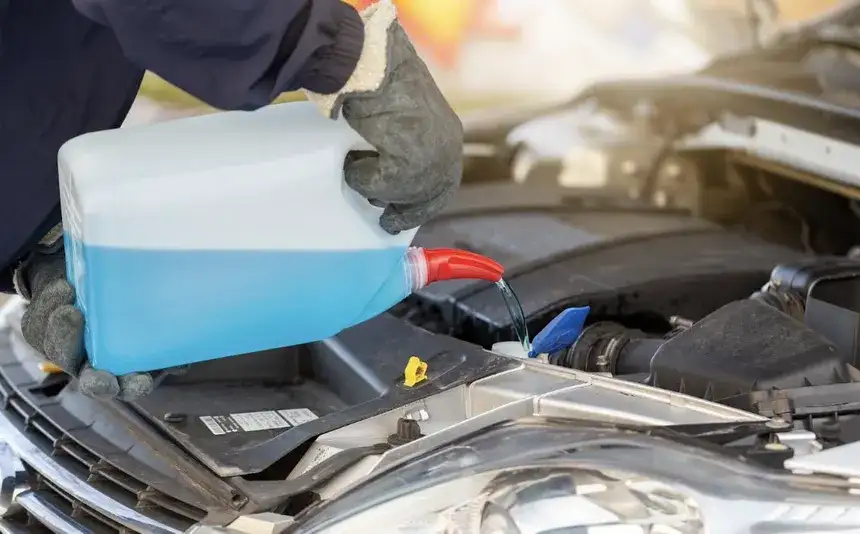
Winter-rated washer fluid contains methanol or a similar freeze-resistant agent that keeps it liquid well below zero, and many blends are rated to 20 below or colder. Summer formulas lack that protection, and plain water offers none. If a weak mix freezes in the reservoir or lines, the expanding ice can crack the tank, split a hose, or damage the pump, and the repair costs far more than a jug of the right fluid. The system can also freeze at the nozzles, which blocks the spray even when the reservoir is liquid.
The best approach is to run the reservoir low in late fall, then refill with a winter-rated blend so the old summer fluid is diluted out. Keep a spare jug in the garage, since slushy commutes can empty a reservoir faster than you expect. Never pour engine coolant into the washer tank, because it can streak the glass and damage paint and rubber. Genuine and compatible fluids are available through the Kia of Dayton parts center if you want to pick up a winter blend before the first storm. Those with EyeSight-style driver assistance cameras or a front camera behind the windshield will notice the benefit most, since a clear windshield helps those sensors see the road.
How Brake Fluid Absorbs Moisture
Brake fluid is a different kind of problem because the damage is invisible. Most brake fluid used in passenger vehicles, labeled DOT 3 or DOT 4, is hygroscopic, which means it absorbs moisture from the air. The brake system is sealed, but the rubber hoses and seals are slightly permeable, and the reservoir cap breathes as the fluid level changes. Over months and years, a small amount of water works its way in.
That water has two effects. First, it lowers the boiling point of the fluid, which matters during long downhill braking or repeated hard stops, when heat can turn moisture into vapor and leave the pedal soft. Second, it encourages corrosion inside calipers, wheel cylinders, brake lines, and the ABS hydraulic unit, which is one of the most expensive components in the system. Cold weather adds one more concern, since contaminated fluid can thicken and respond more slowly in freezing temperatures, and road salt already accelerates corrosion on the outside of brake parts.
You cannot judge brake fluid by color alone. Fresh fluid is usually clear to light amber and darkens with age, but a technician can measure the actual moisture content with a test strip or a handheld tester. Many manufacturers recommend replacing the fluid about every two years or at a set mileage, regardless of how it looks, and your maintenance schedule will list the interval for your Kia. For general guidance on keeping vehicle systems in safe working order through winter, the National Highway Traffic Safety Administration provides driver resources worth bookmarking.
Warning Signs That a Fluid Needs Attention
Fluids tend to give hints before they fail. Watch for these signs as temperatures drop:
- Low or discolored coolant: A reservoir that keeps falling, or fluid that looks rusty, cloudy, or oily, points to dilution, contamination, or a leak.
- A heater that blows lukewarm: Weak cabin heat can indicate low coolant, air in the system, or a restricted heater core.
- Temperature gauge climbing: Any rise above the normal range, especially in traffic, calls for a prompt inspection.
- Washer spray that sputters or freezes: A weak or iced spray suggests the wrong fluid or a clogged nozzle.
- A spongy or sinking brake pedal: A soft feel can signal moisture in the fluid, air in the lines, or a developing leak.
- Brake fluid that looks dark or murky: Fluid in the reservoir that has clearly changed color is overdue for a test.
If any of these sound familiar, schedule an inspection instead of waiting for the next deep freeze to confirm the problem.
Simple Habits for Winter Fluid Care
A few routines make a difference between service visits. Check the coolant reservoir level only when the engine is cool, and never open a hot radiator or reservoir cap, since the system is under pressure and can release scalding fluid. Look at the washer reservoir each time you fill up with fuel, and keep a winter-rated jug on hand. Glance at the brake fluid reservoir level now and then, and pay attention to how the pedal feels, since a change in feel is often the first clue.
It also helps to keep an eye on the forecast. The National Weather Service office serving the Wilmington and Dayton region posts hard freeze warnings and extended cold outlooks that make a good reminder to check fluids a day or two ahead of the temperature drop.
What Skipping a Fluid Check Can Cost
Prices vary by model and by the work needed, but this overview shows how a simple check compares with the repairs that can follow:
- Fluid inspection and test: A quick, low-cost service that confirms coolant freeze point, washer fluid condition, and brake fluid moisture level in one visit.
- Coolant drain and refill: A moderate service that restores corrosion protection and proper freeze resistance.
- Brake fluid exchange: A modest service compared with the cost of replacing a corroded caliper, brake line, or ABS unit.
- Cooling system or brake component repair after failure: Often the costliest outcome, especially when a frozen or overheated engine or a seized caliper strands the vehicle.
When the numbers are lined up this way, the pattern is easy to see. A small amount of attention before the cold arrives prevents the repairs that tend to show up on the worst morning of the year.
Get Your Kia Ready for Ohio’s Cold Season
Before the next hard freeze settles over the Miami Valley, have your coolant, washer fluid, and brake fluid checked so each system is ready for whatever winter brings. The service team at Kia of Dayton, located at 8560 Old Troy Pike, Huber Heights, OH 45424, United States, can test your fluids, recommend only the service your Kia needs, and help you start the season with confidence. You can schedule service online and be fully prepared well before the first cold snap.
0 comment(s) so far on Pre-Winter Fluid Health Check: Antifreeze Ratios, Windshield Washer Antifreeze, and Brake Fluid Moisture Checks for Ohio Cold