

Short Commutes, Big Impact: Preventing Carbon Buildup in the All-New Kia K4 GDI Engine Around Dayton
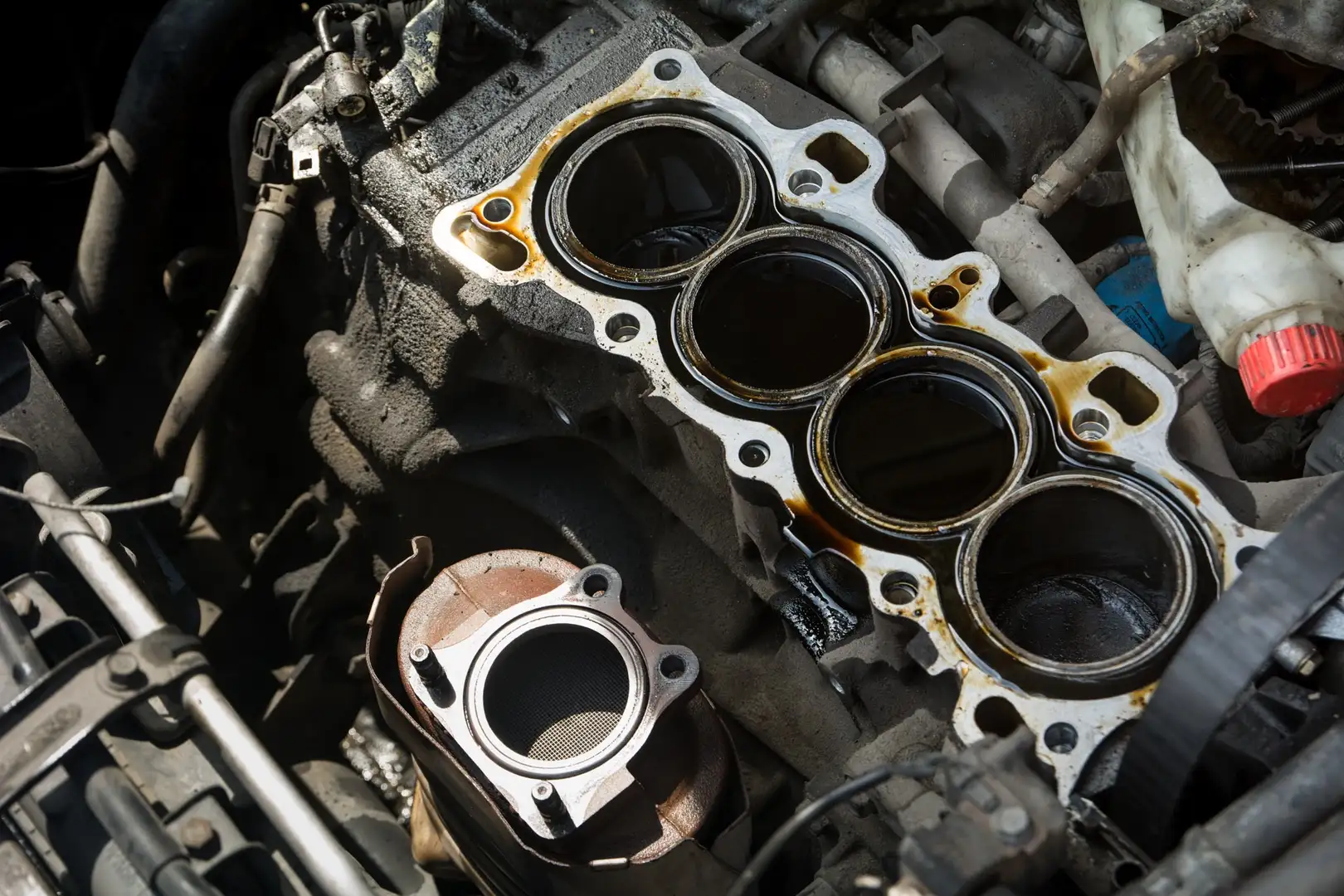
The 2026 Kia K4 lineup actually runs two different engines depending on trim. The standard 2.0-liter engine found on the LX, LXS, EX, and GT-Line trims uses multi-point fuel injection, a more traditional setup where fuel sprays into the intake tract and naturally washes the intake valves clean with every cycle. The GT-Line Turbo’s 1.6-liter engine is a different story entirely: it uses gasoline direct injection, spraying fuel straight into the combustion chamber for better efficiency and power, but leaving the intake valves with nothing to wash them. A borescope inspection costs a small fraction of what walnut blasting runs once carbon deposits have already caused a rough idle or a misfire code, and catching the problem early is the difference between routine maintenance and a more involved repair. For Huber Heights drivers running a GT-Line Turbo on the short hops between Old Troy Pike and the rest of the Dayton metro, that distinction matters more than the spec sheet might suggest.
Understanding why direct injection creates a carbon buildup problem that the standard K4 engine doesn’t share, and how Huber Heights’ short-trip driving pattern speeds that process along, helps GT-Line Turbo owners get ahead of a maintenance item that’s easy to overlook simply because it doesn’t have an obvious symptom until it does.
Why GDI Creates a Problem the Base K4 Engine Doesn’t Have
The distinction between the K4’s two engines comes down to where the fuel actually meets air. In the standard 2.0-liter engine, fuel is sprayed into the intake port before the valve, and that fuel spray acts as a built-in cleaning agent, continuously washing away the oil vapor and combustion byproducts that would otherwise accumulate on the valve surface. It’s a side effect of how the fuel delivery works, not a deliberate maintenance feature, but it’s effective at keeping the intake valves relatively clean over the life of the engine.
The GT-Line Turbo’s 1.6-liter engine sprays fuel directly into the combustion chamber instead, which is part of what allows it to produce more power and torque than the standard engine. That direct injection approach means the intake valves never see fuel at all. Instead, they’re exposed only to crankcase oil vapor from the PCV system and combustion blowby gases, with nothing flowing past them to wash those deposits away. Over time, that residue bakes onto the hot valve surface and hardens into a black, carbon buildup that thickens with every mile driven. This isn’t a defect or a sign anything is wrong with the engine. It’s a known characteristic of direct injection technology across virtually every manufacturer that uses it.
Why Huber Heights’ Short Commutes Make It Worse
Carbon deposits accumulate on every GDI engine regardless of how it’s driven, but the rate of accumulation depends heavily on driving conditions, and Huber Heights’ typical commute pattern checks several of the boxes that accelerate the process.
The drive from the Old Troy Pike corridor to downtown Dayton or Wright-Patterson Air Force Base covers a relatively short distance, often under 10 miles each way, which means the engine frequently doesn’t reach and sustain the higher operating temperatures that help slow deposit formation. Frequent stops at traffic signals along Old Troy Pike and the surrounding intersections add repeated stop-and-go cycling, with the engine spending more time at low RPM and varying load than it would on a longer, steadier highway run. Cold starts, which are especially deposit-prone since the engine runs richer and cooler for the first several minutes after startup, happen more often on a string of short trips than they would for a driver making one long commute per day.
None of these factors alone would dramatically speed up the timeline. Together, they mean a GT-Line Turbo driven primarily on short Huber Heights and Dayton-area trips may start showing deposit-related symptoms earlier than the same engine driven mostly on longer highway stretches.
What Carbon Buildup Actually Looks Like as It Progresses
Carbon deposits don’t cause problems all at once. They build gradually, narrowing the effective opening the engine has to draw air through on each intake stroke, and the symptoms follow a fairly predictable progression:
- Light deposits in the early stages of accumulation rarely produce anything the driver would notice, since the engine management system compensates for minor airflow restriction through fueling adjustments
- Moderate deposits begin to show up as a rougher cold idle than the car had when newer, along with occasional hesitation when starting from a stop and intermittent misfires that come and go
- Heavy deposits produce more persistent symptoms: noticeable power loss, a rough idle that doesn’t improve once the engine warms up, and misfire codes that keep returning even after spark plugs and ignition components have been checked
Because the early stages don’t announce themselves clearly, it’s easy for a GT-Line Turbo owner to be well into moderate buildup before recognizing that anything has changed.
What the Service Actually Involves
The only effective way to remove hardened intake valve deposits on a direct-injection engine is mechanical cleaning, since there’s no fuel pathway to deliver a cleaning additive to where the buildup actually sits. The industry-standard method is walnut blasting, where ground walnut shells are delivered under compressed air through the intake ports to physically remove the carbon from the valve surfaces. Walnut shells are hard enough to clear the deposits but soft enough not to damage the aluminum port walls or the valve seats underneath.
The process requires removing the intake manifold to access the ports directly, with a shop vacuum running simultaneously to capture the spent media and loosened carbon. A thorough service covers every intake valve across all cylinders, and a borescope inspection before the work begins gives a clear picture of how much buildup is actually present, which helps determine whether the engine needs the full service now or can reasonably wait.
A Practical Approach for GT-Line Turbo Owners
Given Huber Heights’ short-trip driving pattern, a GT-Line Turbo owner benefits from treating intake valve inspection as a standard part of maintenance rather than something to address only after symptoms appear. A reasonable approach includes:
- A borescope inspection starting somewhere in the 30,000 to 40,000-mile range for vehicles driven primarily on short local trips, since that’s earlier than the interval typically cited for highway-heavy driving
- Walnut blasting service scheduled based on what the inspection actually shows, rather than guessing from mileage alone
- Attention to any new rough idle, hesitation, or misfire code, treating those as a prompt to check intake valve condition rather than assuming it’s an ignition system issue first
The standard K4’s 2.0-liter engine doesn’t need this kind of attention, since its port-injection design keeps the intake valves naturally cleaner over time. For GT-Line Turbo owners, recognizing that the extra power comes with a maintenance consideration the rest of the K4 lineup doesn’t share is the first step toward staying ahead of it.
The Kia-certified service team at Kia of Dayton, located at 8560 Old Troy Pike, Huber Heights, OH 45424, performs borescope inspections and walnut blasting service on the K4 GT-Line Turbo’s GDI engine using Kia-specific procedures. Schedule your inspection and find out exactly where your engine stands before a short Huber Heights commute turns into a bigger repair.

0 comment(s) so far on Short Commutes, Big Impact: Preventing Carbon Buildup in the All-New Kia K4 GDI Engine Around Dayton